札幌雪まつり
Sapporo Yuki Matsuri
After experiencing the warmth and energy of Tokyo’s festivals, we knew we had to witness Japan’s most famous winter celebration once we moved to Sapporo. So on a frigid February morning, with temperatures hovering well below freezing, we bundled up and made our way to downtown Sapporo for the legendary Snow Festival.
As we stepped out the subway entrance into Sapporo’s crisp winter air, our breath formed instant clouds of vapor. The city buzzed with anticipation, and even before reaching the main festival sites, we could sense something magical was about to unfold. Wandering through streets lined with smaller snow sculptures, we couldn’t help but wonder: “How did this all begin?”
What is Sapporo Yuki Matsuri?
The Sapporo Snow Festival, or 札幌雪まつり (Sapporo Yuki Matsuri), is Japan’s premier winter festival and one of the world’s most spectacular snow and ice sculpture exhibitions.
札幌 – “Sapporo” is the name of Hokkaido’s capital city 雪 – “Yuki” means “snow” まつり – “Matsuri” means “festival”
Every February, for one magical week, Sapporo transforms into a winter wonderland featuring hundreds of snow and ice sculptures, ranging from small neighborhood creations to massive architectural marvels that tower stories high. The festival attracts over two million visitors annually, making it one of Japan’s most popular winter events.
The Three Main Sites
Odori Park – The Heart of the Festival
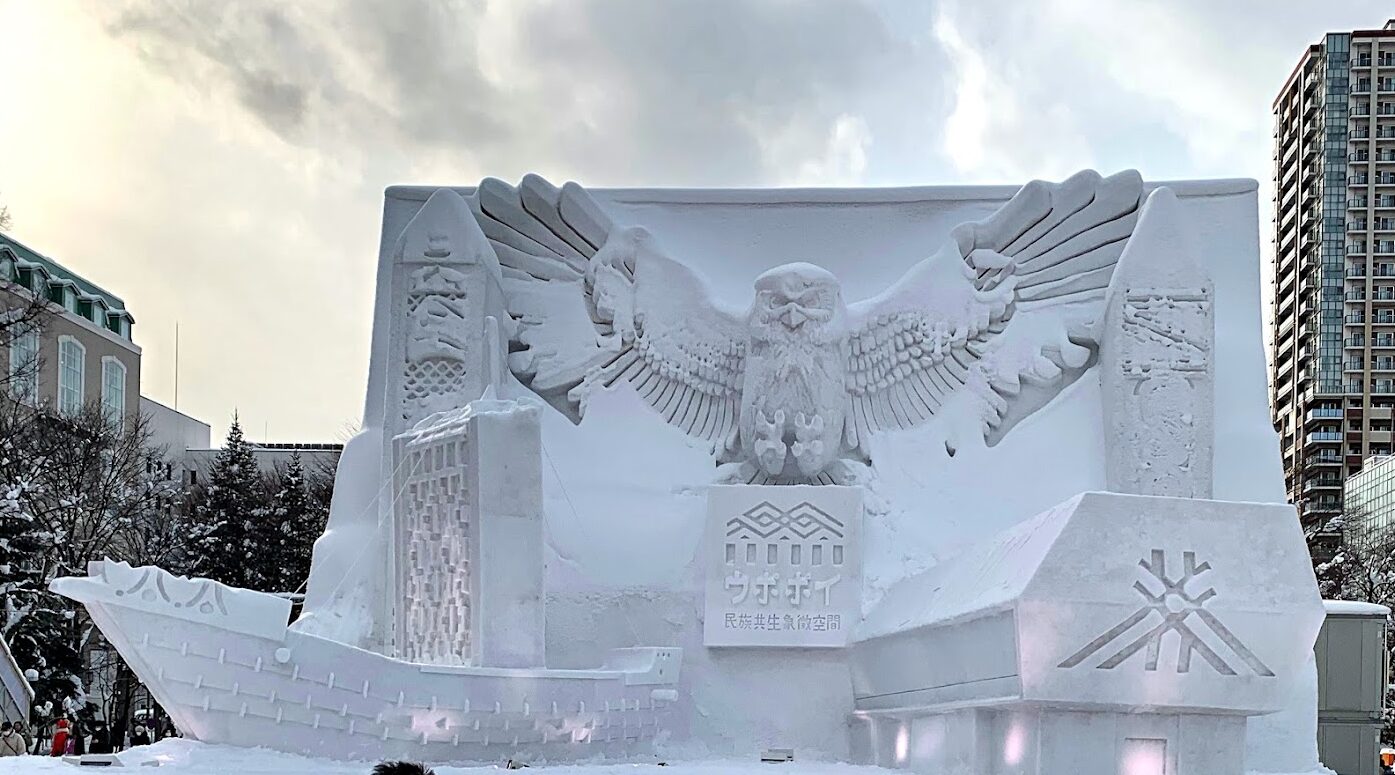
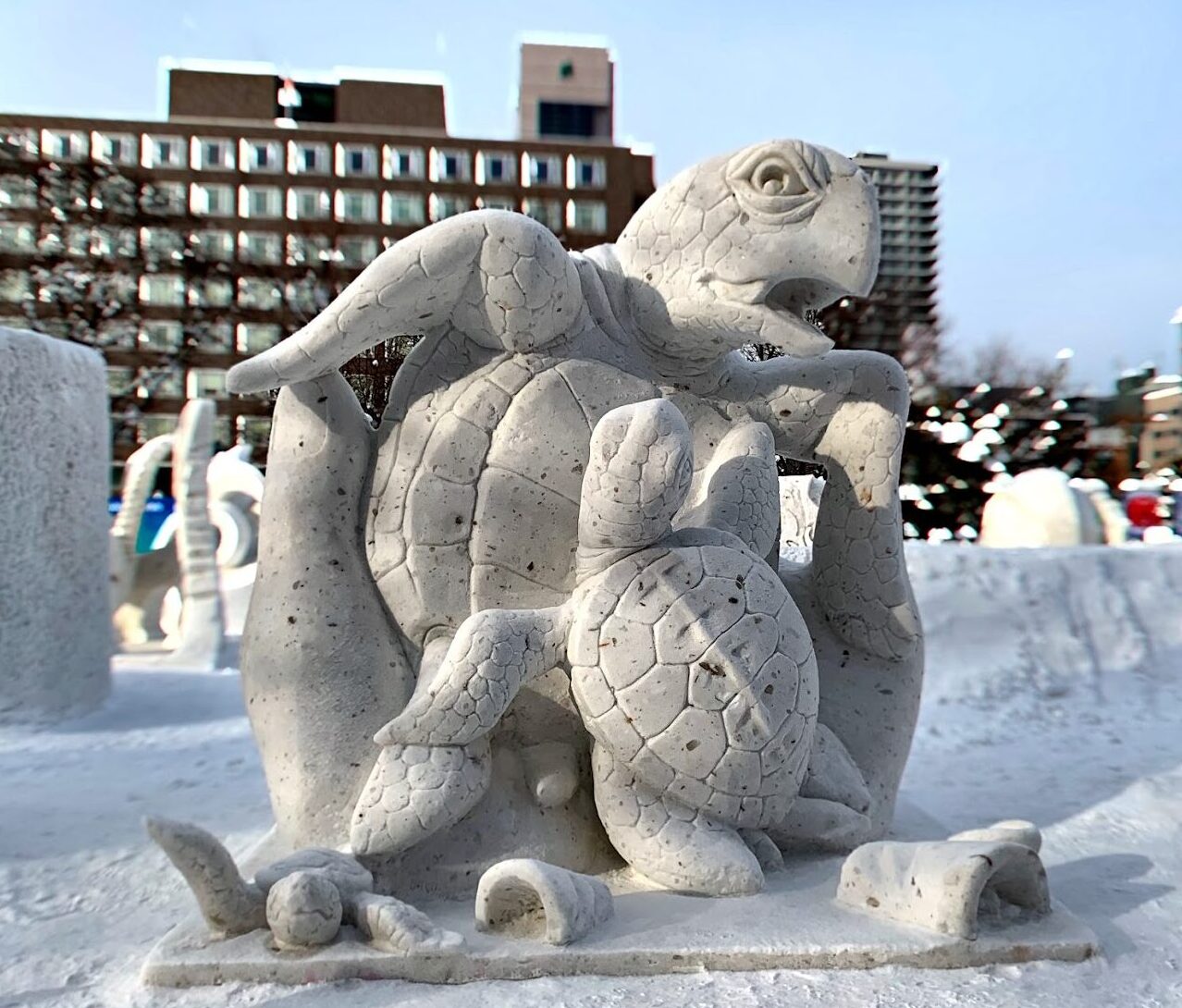
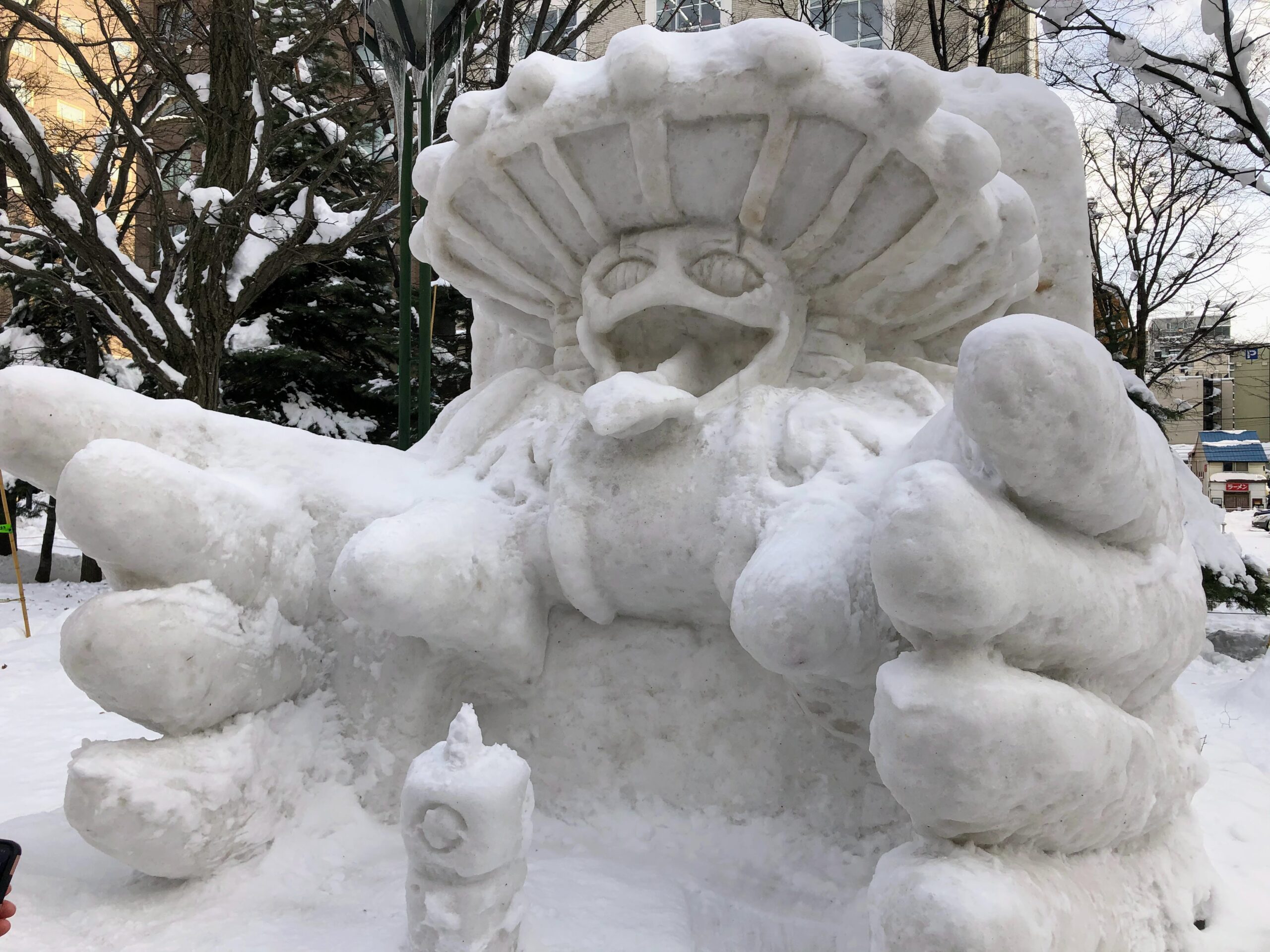
Stretching 1.5 kilometers through the center of Sapporo, Odori Park becomes the festival’s main stage. Here, enormous snow sculptures – some reaching 15 meters high – dominate the landscape. Teams of sculptors, including members of Japan’s Self-Defense Forces, work for weeks creating intricate replicas of famous buildings, anime characters, and cultural landmarks.
Walking down the park’s central promenade feels like strolling through an outdoor museum of frozen art. The detail in these massive sculptures is breathtaking – from perfectly carved architectural elements to life-like facial features on character sculptures that seem ready to spring to life.
Susukino – The Ice Crystal Palace
The Susukino site specializes in ice sculptures that shimmer and gleam under colorful LED lighting. As evening falls, these crystal-clear creations transform into glowing beacons of light, casting rainbow reflections across the snow-covered ground. Many ice sculptures are hollow, allowing visitors to walk through tunnels and chambers carved from solid blocks of ice.
The contrast between the warm glow of the entertainment district’s neon signs and the cool blue light emanating from ice sculptures creates a surreal, almost otherworldly atmosphere.

Tsudome – Family Fun Central
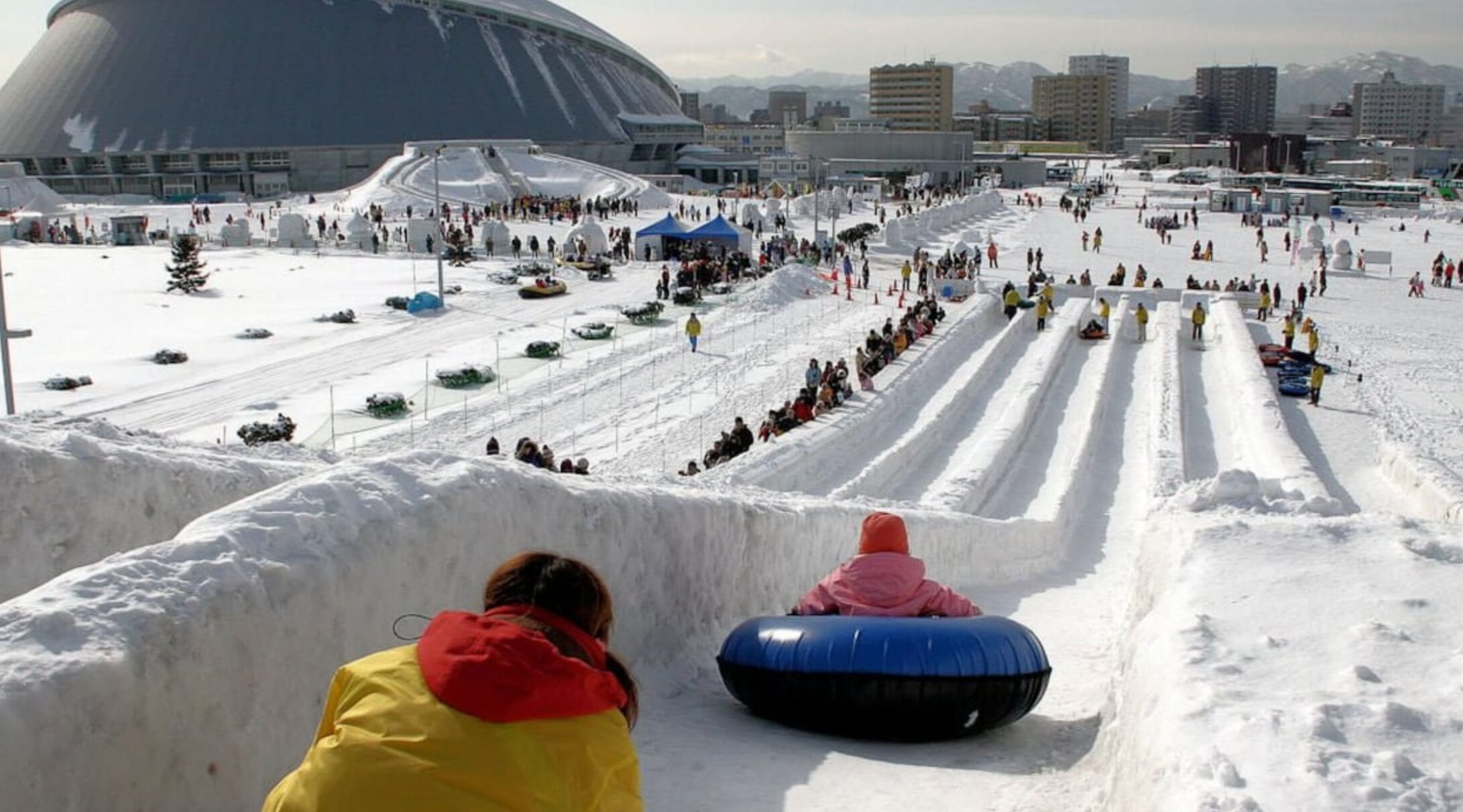
The community-focused Tsudome site offers a more interactive experience. Here, families can slide down massive snow slides, participate in snow sculpture contests, and warm up in heated indoor areas filled with local food vendors and craft stalls.
The Spectacle Unfolds
Opening Ceremony Magic
The festival officially opens each year on February 5th with an evening ceremony at Odori Park. As darkness falls, thousands of lights illuminate the sculptures simultaneously, transforming the winter landscape into a glittering wonderland. The crowd’s collective cheer as the lights first flicker on is a moment of pure magic that captures the festival’s essence.
Master Sculptors at Work
Professional teams from around the world compete in the International Snow Sculpture Contest, working with mathematical precision to create their masterpieces. Watching these artists work is mesmerizing – they approach massive blocks of snow with the same reverence a marble sculptor shows toward precious stone.
The Japan Ground Self-Defense Force creates some of the largest sculptures, using bulldozers and heavy machinery to shape enormous snow structures. Seeing soldiers transform from defenders to artists, carefully carving delicate details with small tools, exemplifies Japan’s appreciation for craftsmanship in all forms.
Evening Illumination
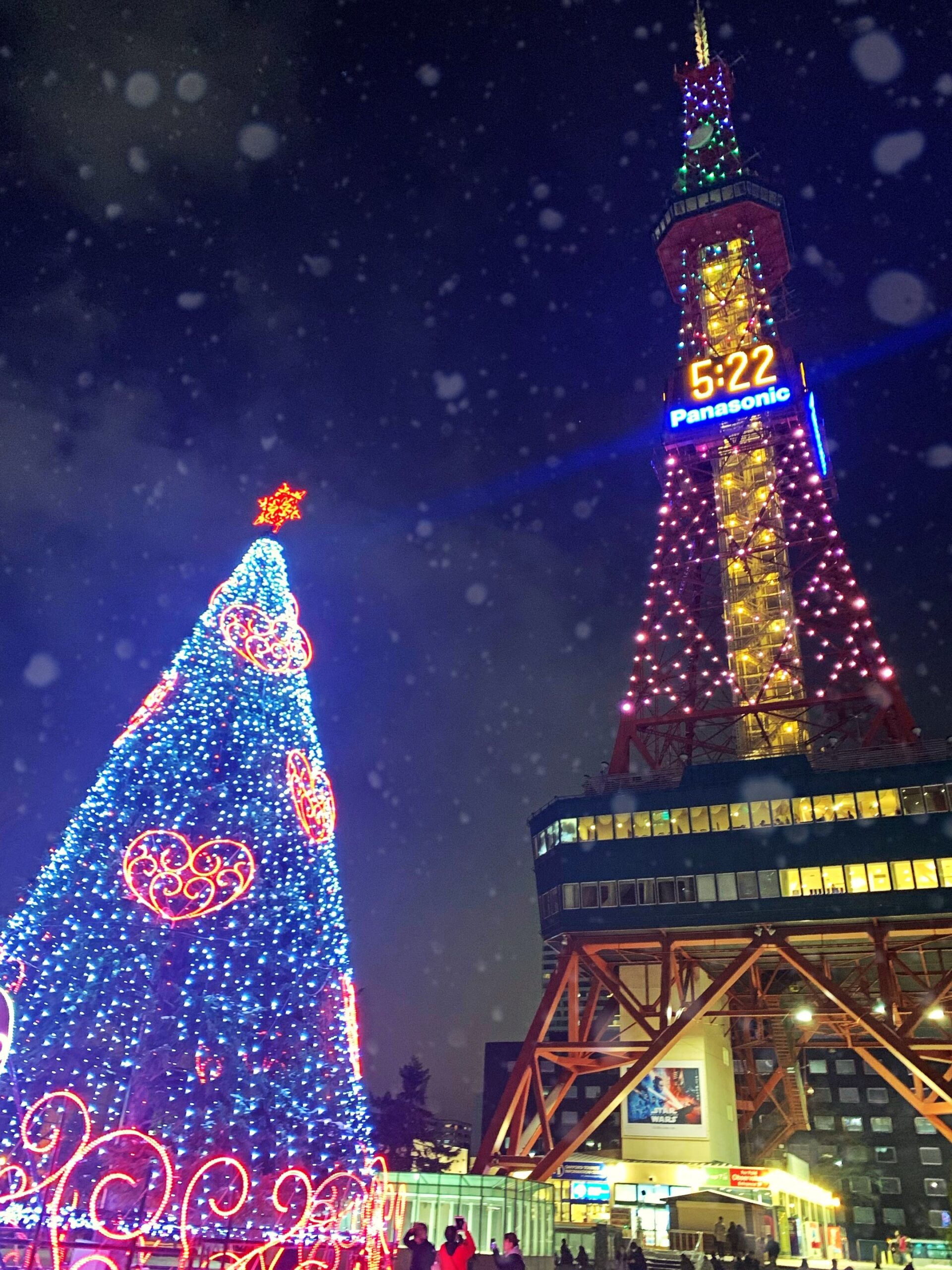
After sunset, the festival takes on an entirely different character. Colored lights transform white sculptures into kaleidoscopic displays, while projection mapping technology brings static creations to life with moving images and animations. The interplay of light, shadow, and snow creates an ethereal atmosphere that feels almost dreamlike.
Festival Foods and Winter Warmth
No Japanese festival is complete without food stalls, and Sapporo’s bitter cold makes warm treats especially welcome.
Hokkaido Specialties
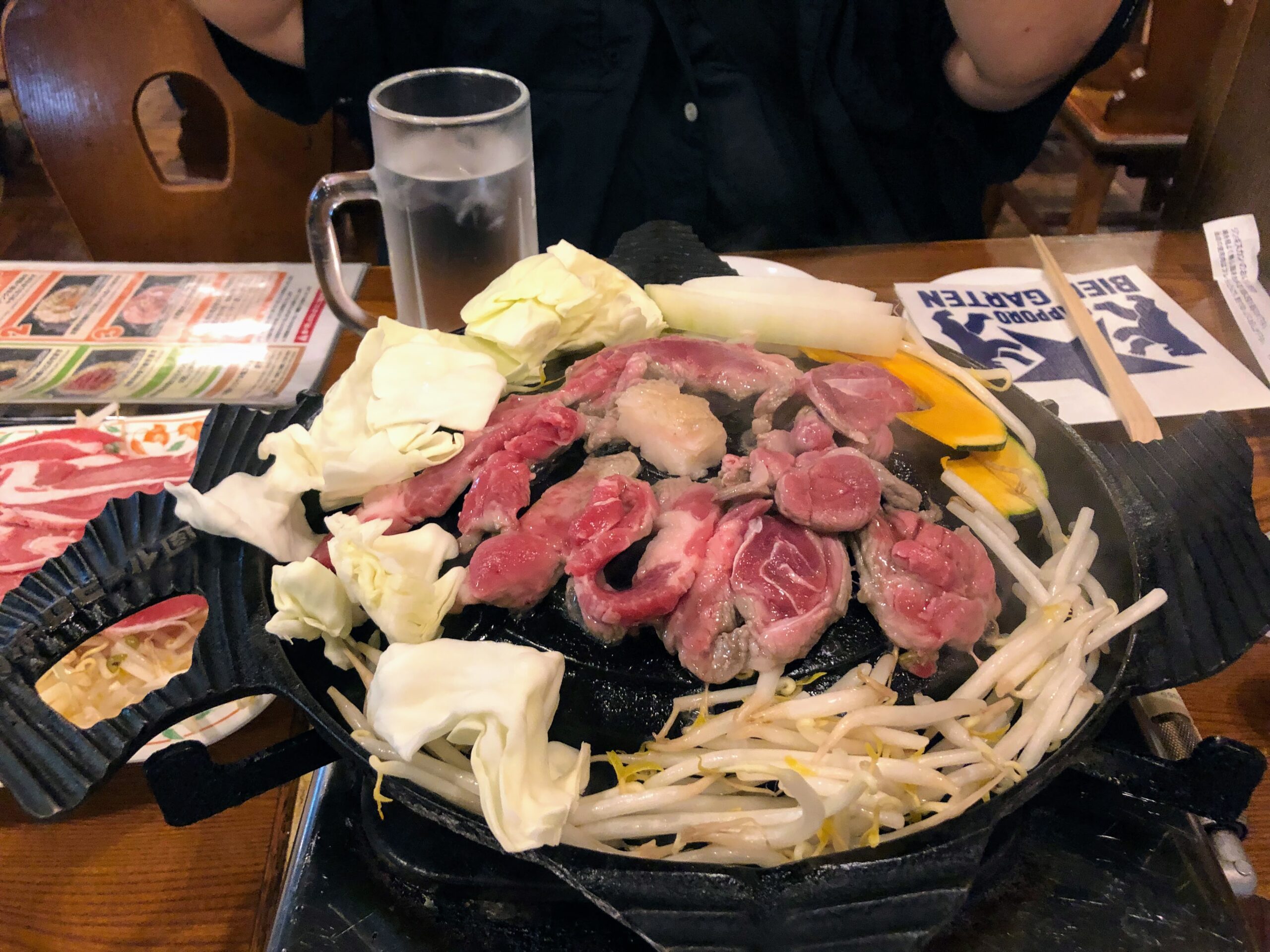
Jingisukan (成吉思汗) – Grilled mutton cooked on dome-shaped metal plates, named after Genghis Khan. The sizzling meat provides both sustenance and warmth as you stand around the cooking plates.
Soup Curry – Sapporo’s signature dish features a thin, spice-laden broth with tender vegetables and meat. Perfect for warming frozen fingers and toes.
Kaisendon (海鮮丼) – Fresh seafood rice bowls showcasing Hokkaido’s incredible bounty from surrounding seas, including sweet crab, uni (sea urchin), and salmon.
Festival Street Food
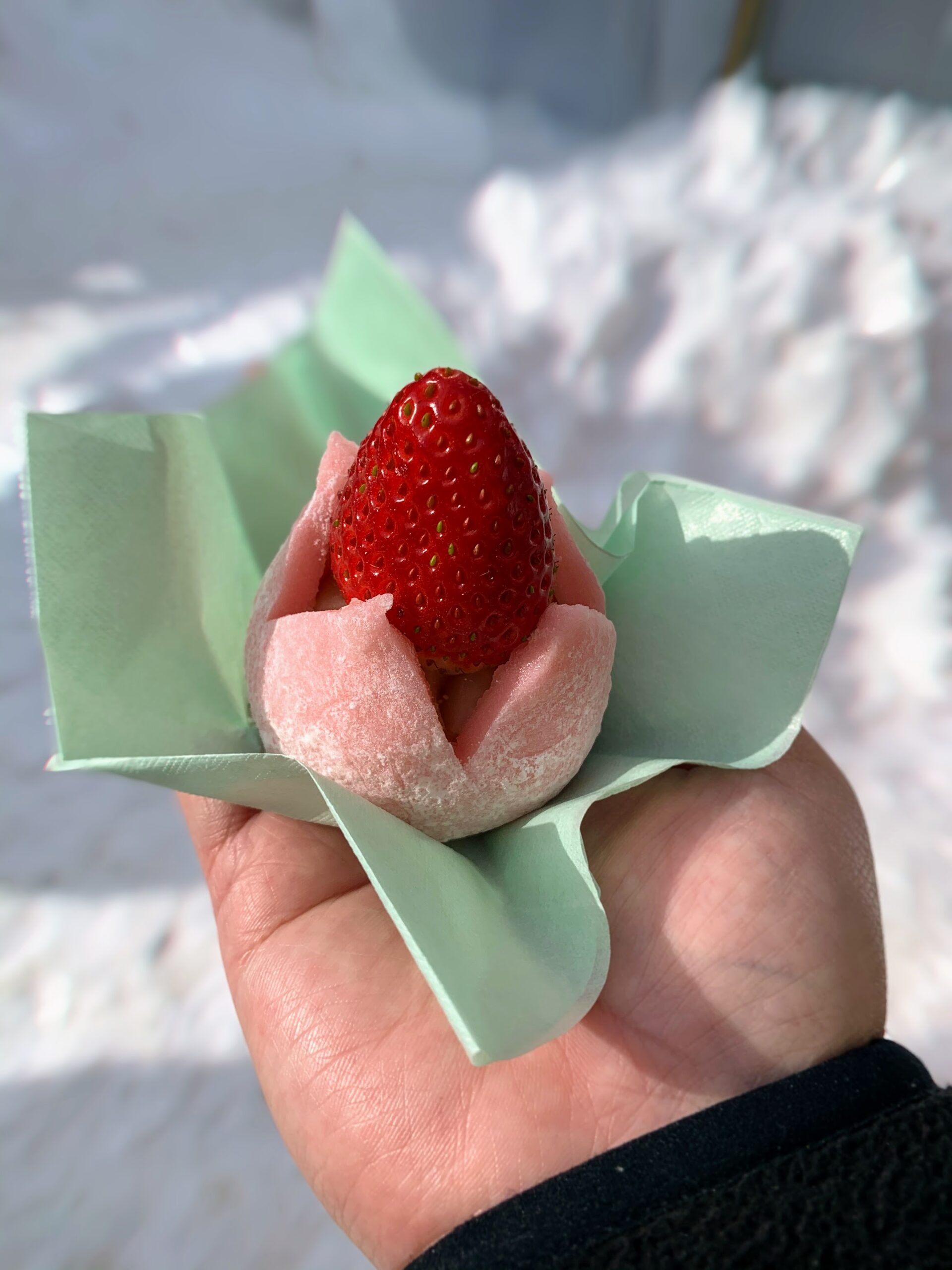
Vendors serve steaming bowls of ramen in heated tents, while yakitori grills send aromatic smoke into the frigid air. Taiyaki (fish-shaped pastries filled with sweet red bean paste) and imagawayaki (round pancakes with various fillings) provide sweet warmth between sculpture viewing.
Hot drinks are essential survival tools – amazake (sweet rice drink), hot coffee, and shiruko (sweet red bean soup) help combat the penetrating cold.
History of Japan’s Greatest Winter Festival
The Sapporo Snow Festival began humbly in 1950 when local high school students built six snow statues in Odori Park. This modest beginning grew from post-war Japan’s desire to lift spirits and bring communities together during the harsh winter months.
The festival gained international attention in 1972 when Sapporo hosted the Winter Olympics. Television coverage introduced the world to these magnificent snow creations, and the festival’s reputation spread globally.
What started as a local winter diversion has evolved into a sophisticated international event, with participating artists from countries around the world contributing their unique cultural perspectives to the snowy canvas.
Beyond the Sculptures
The Sapporo Experience
The Snow Festival offers more than visual spectacle. It’s an immersion into Hokkaido’s winter culture, where locals have learned to embrace rather than merely endure the cold season. Families dress in colorful winter gear, children’s laughter echoes through the frigid air, and couples share warm drinks while admiring illuminated masterpieces.
A Photographer’s Paradise
The festival provides endless photographic opportunities. The contrast between delicate sculptures and Sapporo’s urban skyline, the interplay of artificial lighting and natural snow, and the expressions of wonder on visitors’ faces create compelling compositions at every turn.
Practical Winter Survival
Attending the Sapporo Snow Festival requires serious preparation for sub-zero temperatures. Layered clothing, waterproof boots with good traction, insulated gloves, and warm headwear are essential. Hand and foot warmers become precious commodities during long outdoor viewing sessions.
The festival typically runs from early February through the second week of the month, with exact dates varying yearly based on weather conditions and sculpture completion schedules.
A Frozen Art Gallery Worth the Journey
The Sapporo Snow Festival represents human creativity triumphing over winter’s harsh realities. It transforms Hokkaido’s most challenging season into a celebration of art, community, and the temporary beauty that makes each sculpture precious precisely because it won’t last forever.
Standing before a towering snow cathedral or walking through an ice tunnel while snow gently falls around you creates memories that long outlast the sculptures themselves. This festival embodies Japan’s ability to find beauty in every season and create extraordinary experiences from the simplest materials – in this case, frozen water and human imagination.
Whether you’re drawn by the artistic mastery, the cultural experience, or simply the magic of a winter wonderland, the Sapporo Snow Festival offers a uniquely Japanese celebration that transforms the coldest season into something truly spectacular.