Sensō-ji
浅草寺
Temple of Asakusa
Official Name:
Kinryūzan Sensō-ji
金龍山浅草寺
Golden Dragon Mountain Sensō Temple
- Website: https://www.senso-ji.jp/english/
- Address: 2-3-1 Asakusa, Taito-ku, Tokyo 111-0032, Japan
- Nearest Stations: Asakusa Station (2 min by foot)
- Metro Lines: Tokyo Metro Ginza Line, Toei Asakusa Line, Tobu Skytree Line, Tsukuba Express
- Entrance Fee: Free
- Hours: Main Hall: 6:00 – 17:00 daily (temple grounds open 24 hours)
Standing proudly as Tokyo’s oldest temple, Sensō-ji radiates an ancient spiritual energy that has drawn worshippers and pilgrims for nearly 1,400 years. Nestled in the heart of traditional Asakusa, this magnificent temple complex offers a captivating journey through layers of Japanese history, where the scent of incense mingles with the calls of street vendors and the gentle chiming of temple bells creates an atmosphere both sacred and vibrantly alive.
Sensō-ji History
The story of Sensō-ji begins with a miraculous discovery that would forever change a humble fishing village. On the morning of March 18, 628, two fishermen brothers named Hinokuma Hamanari and Takenari cast their nets into the Sumida River as they had countless times before. But this day would be different – when they pulled in their catch, they discovered a small golden statue of Kannon, the Buddhist goddess of mercy, gleaming in their nets.
Word of this divine find reached Haji no Nakatomo, the village headman of what would later become Asakusa. Recognizing the profound significance of the Kannon statue, he devoted himself entirely to Buddhism and transformed his own home into a temple to house the sacred image. This humble beginning in 628 marks the founding of what would become Tokyo’s most beloved temple.
In 645, a Buddhist priest named Shōkai arrived in the region and constructed the first proper hall for the Kannon statue. Following a revelation received in a dream, Shōkai made a momentous decision – he would hide the original statue from public view forever. Since that time, nearly 1,400 years ago, the golden Kannon has remained unseen, locked away in an ornate zushi (miniature shrine) that even the head priests of Sensō-ji cannot open.
As centuries passed, Sensō-ji’s reputation for spiritual power grew. During the Heian period, the renowned Buddhist monk Ennin created a replica of the hidden Kannon statue so that worshippers could occasionally glimpse what they had come to pray to. The Kamakura shoguns demonstrated great devotion to the temple, and their patronage attracted other prominent figures – military leaders, poets, and artists all made pilgrimages to this sacred site.
The temple’s golden age arrived with the Tokugawa shogunate. In 1590, Tokugawa Ieyasu designated Sensō-ji as the official prayer temple of the shogun family, cementing its status as one of Japan’s most important religious sites. As Edo grew into the world’s largest city during the 18th and 19th centuries, Asakusa became its cultural heart, with Sensō-ji at its spiritual center.
Tragedy struck during World War II when the devastating Tokyo Air Raid of March 10, 1945, destroyed most of the temple’s historic buildings, including the Main Hall that had been designated a national treasure. But the spirit of Sensō-ji proved indestructible – through donations from faithful followers across Japan, the temple was lovingly rebuilt, with the current Main Hall completed in 1958.
How to Visit Sensō-ji
Stay in Traditional Asakusa – Immerse yourself in old Tokyo by booking a night at one of Asakusa’s historic ryokan or traditional hotels. Walking to Sensō-ji in the early morning mist, with the temple bells echoing through quiet streets, offers an experience that day-trippers simply cannot match.
Arrive by Metro – Asakusa Station is perfectly positioned just two minutes’ walk from Kaminari-mon Gate. Multiple train lines converge here: take the Ginza Line from central Tokyo (20-25 minutes, ¥200-220), the Toei Asakusa Line, or the Tobu lines from northern areas.
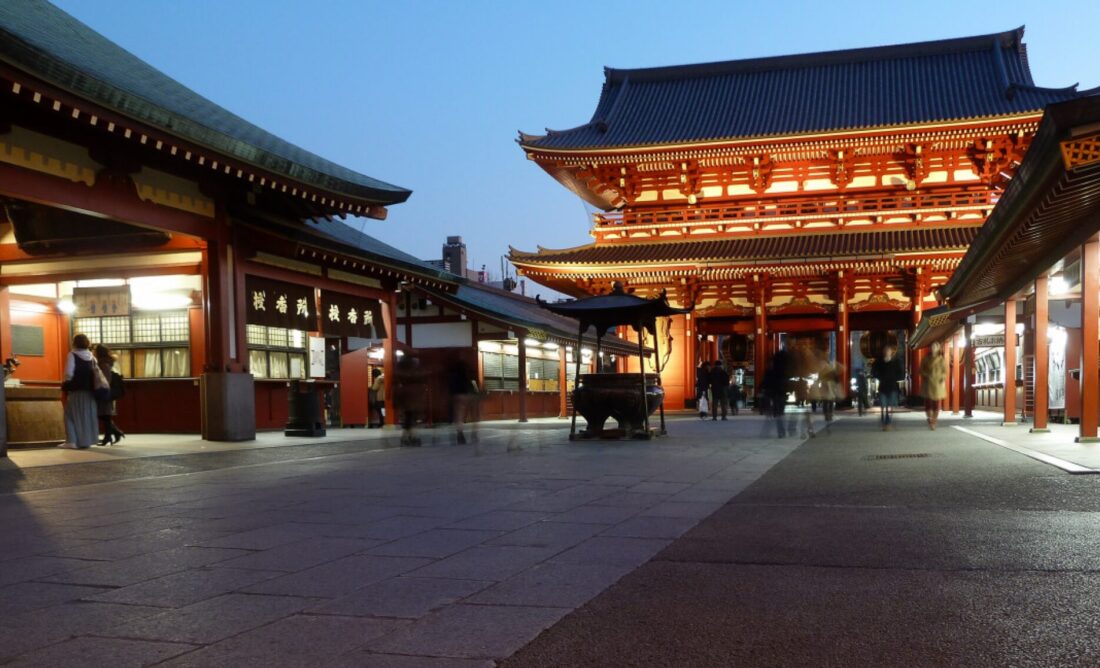
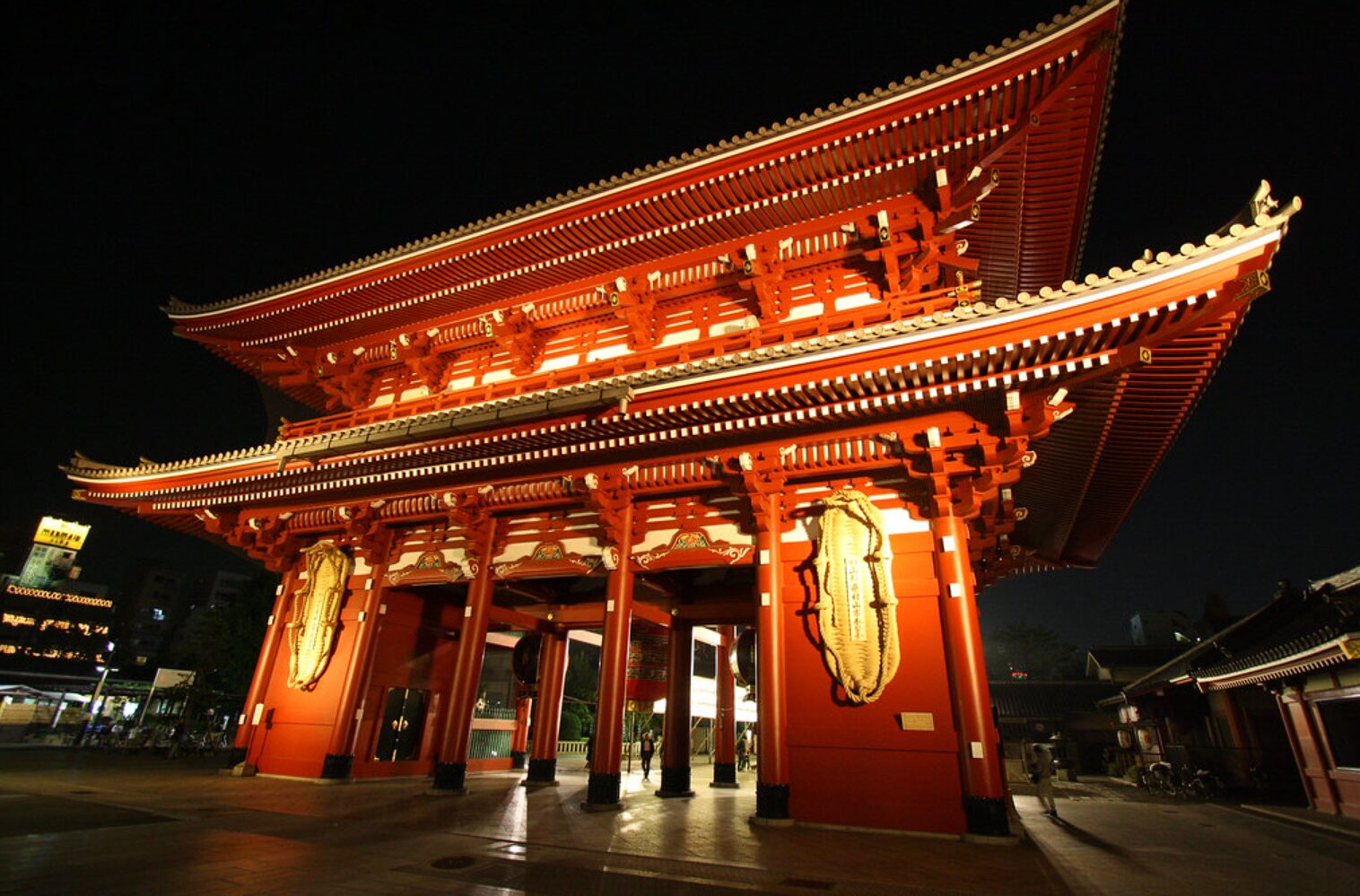
Visit at Dawn or Dusk – While the temple grounds are open 24 hours, the Main Hall operates from 6:00 AM to 5:00 PM. Early morning visits reward you with the mystical sight of monks performing their prayers as incense smoke rises into the dawn light. Evening visits offer equally magical moments as the temple’s traditional architecture glows under soft illumination.
Embrace the Crowds – Unlike many temples that suffer from tourist masses, Sensō-ji thrives on the energy of its 30 million annual visitors. The bustling atmosphere is part of its authentic character – this has always been a temple of the people, where spiritual devotion and daily life interweave seamlessly.
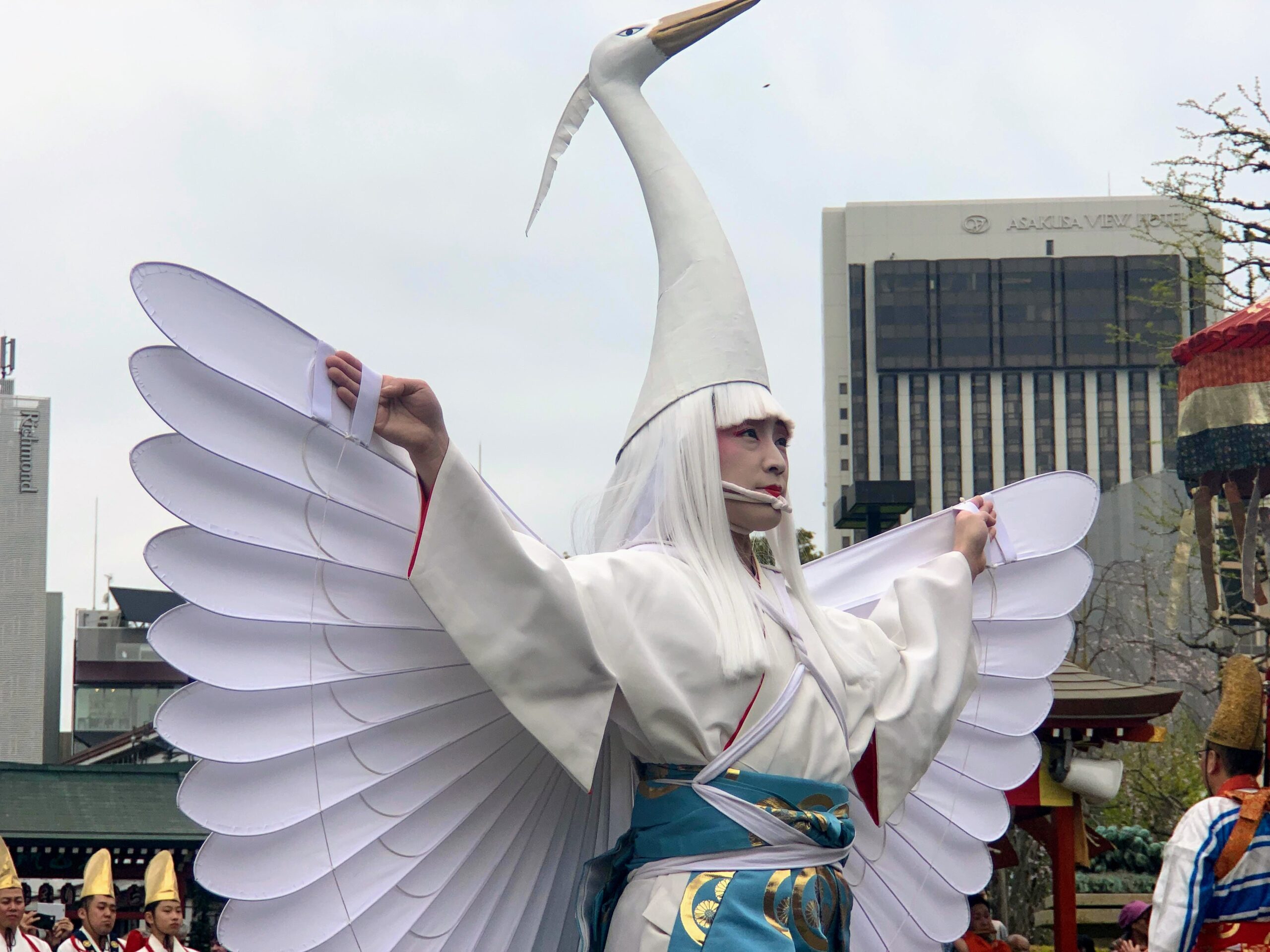
Seasonal Celebrations – Time your visit with one of Sensō-ji’s spectacular festivals. The New Year period (Hatsumode) sees millions of worshippers, while the summer Hōzuki Market in July transforms the temple grounds into a lantern-plant wonderland.
Highlights of Sensō-ji
Kaminari-mon – 雷門 – “Thunder Gate”
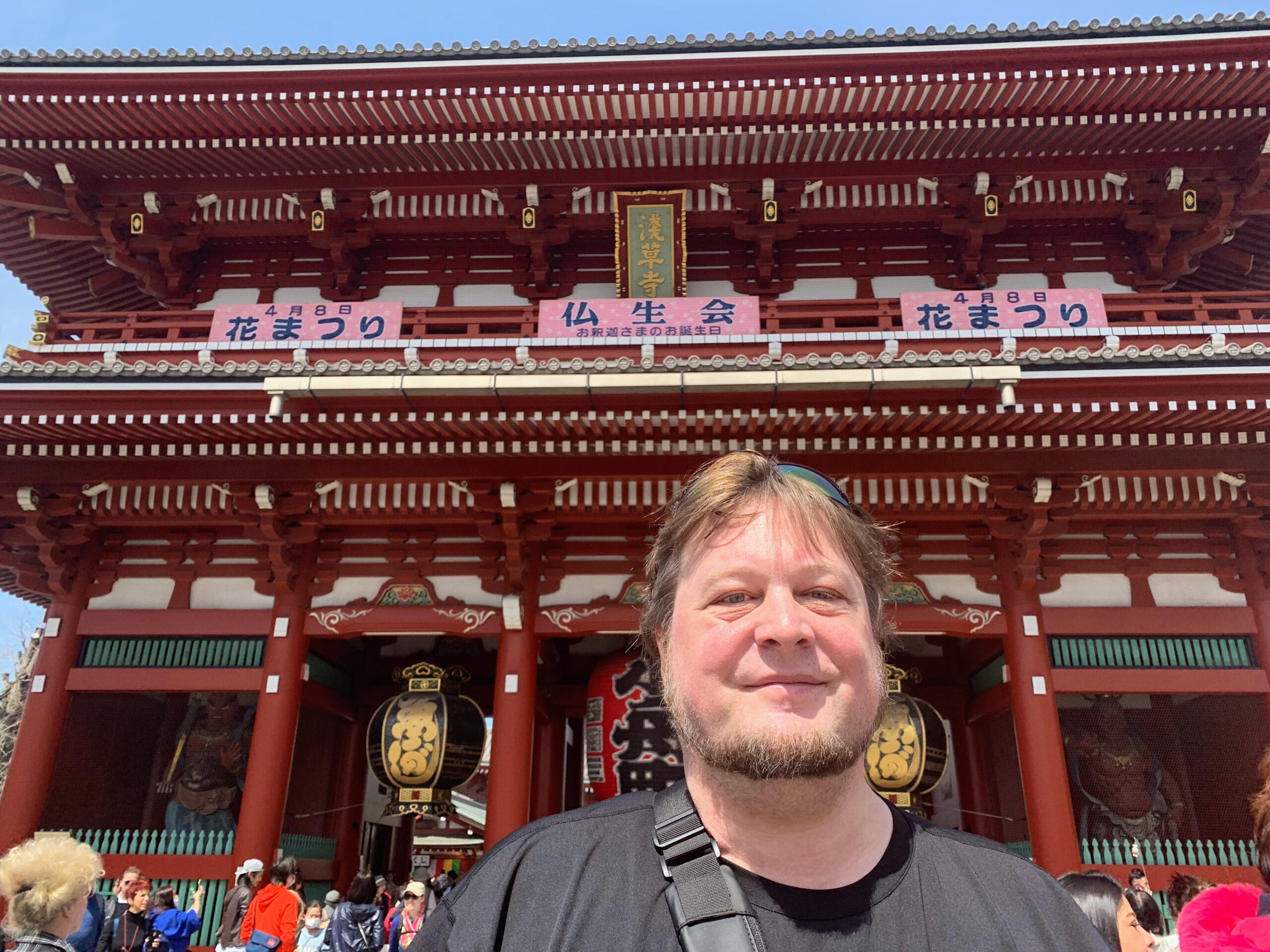
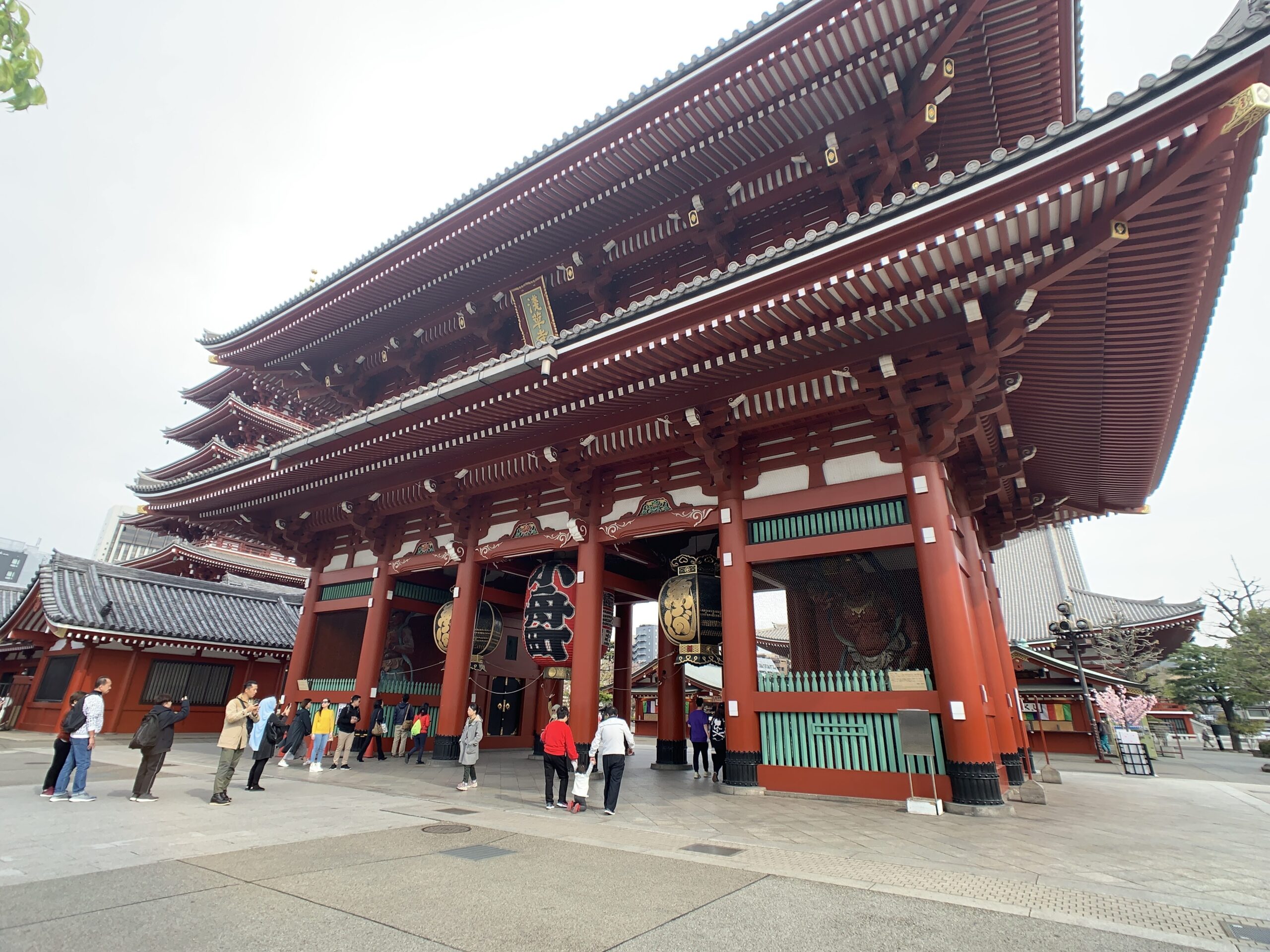
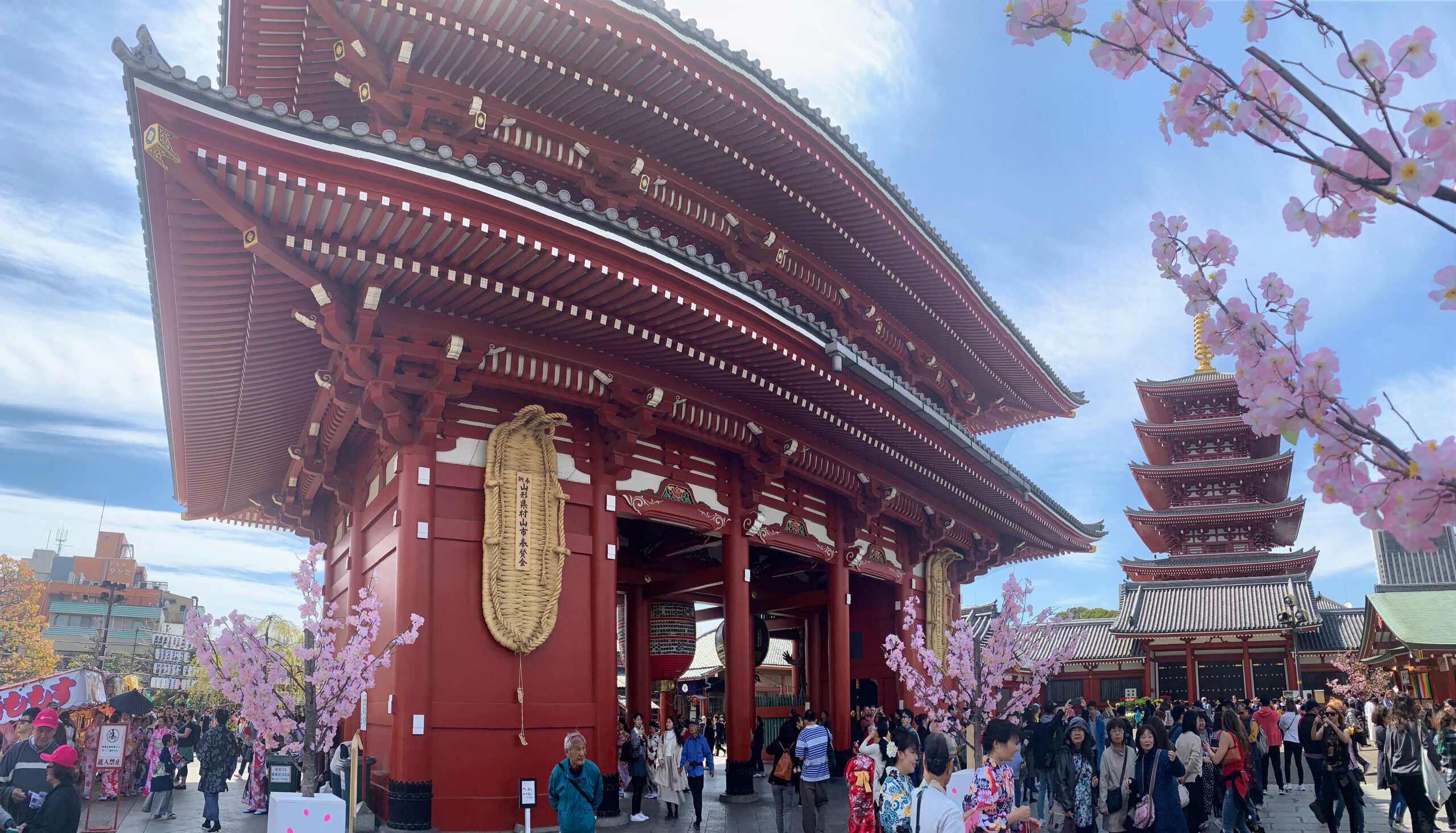
Your journey begins at this iconic vermillion gate crowned by an enormous red chōchin lantern weighing 700 kilograms. Originally built in 942 by military commander Taira no Kinmasa, the current structure dates to 1960, rebuilt through the generous donation of Panasonic founder Konosuke Matsushita. The gate houses statues of Fūjin (wind god) and Raijin (thunder god), who guard the temple against natural disasters. This is where countless pilgrims have begun their spiritual journey for over a millennium.
Nakamise-dōri – 仲見世通り – “Inside Shop Street”
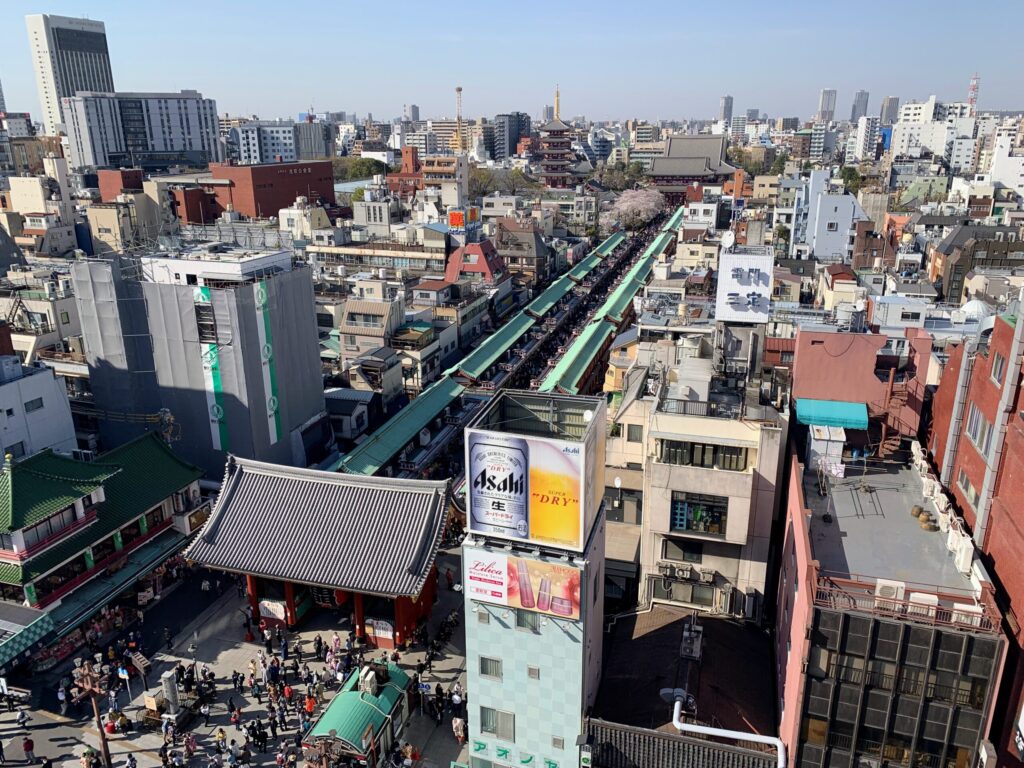
Stretching 250 meters from Kaminari-mon to Hōzō-mon, this is Japan’s oldest shopping street, where the aroma of ningyo-yaki (doll-shaped cakes), melon pan, and traditional sweets fills the air. For centuries, these shops have served pilgrims, selling everything from folding fans and traditional toys to modern souvenirs. The stone pavement beneath your feet has been worn smooth by millions of footsteps over the generations.
Hōzō-mon – 宝蔵門 – “Treasure House Gate”
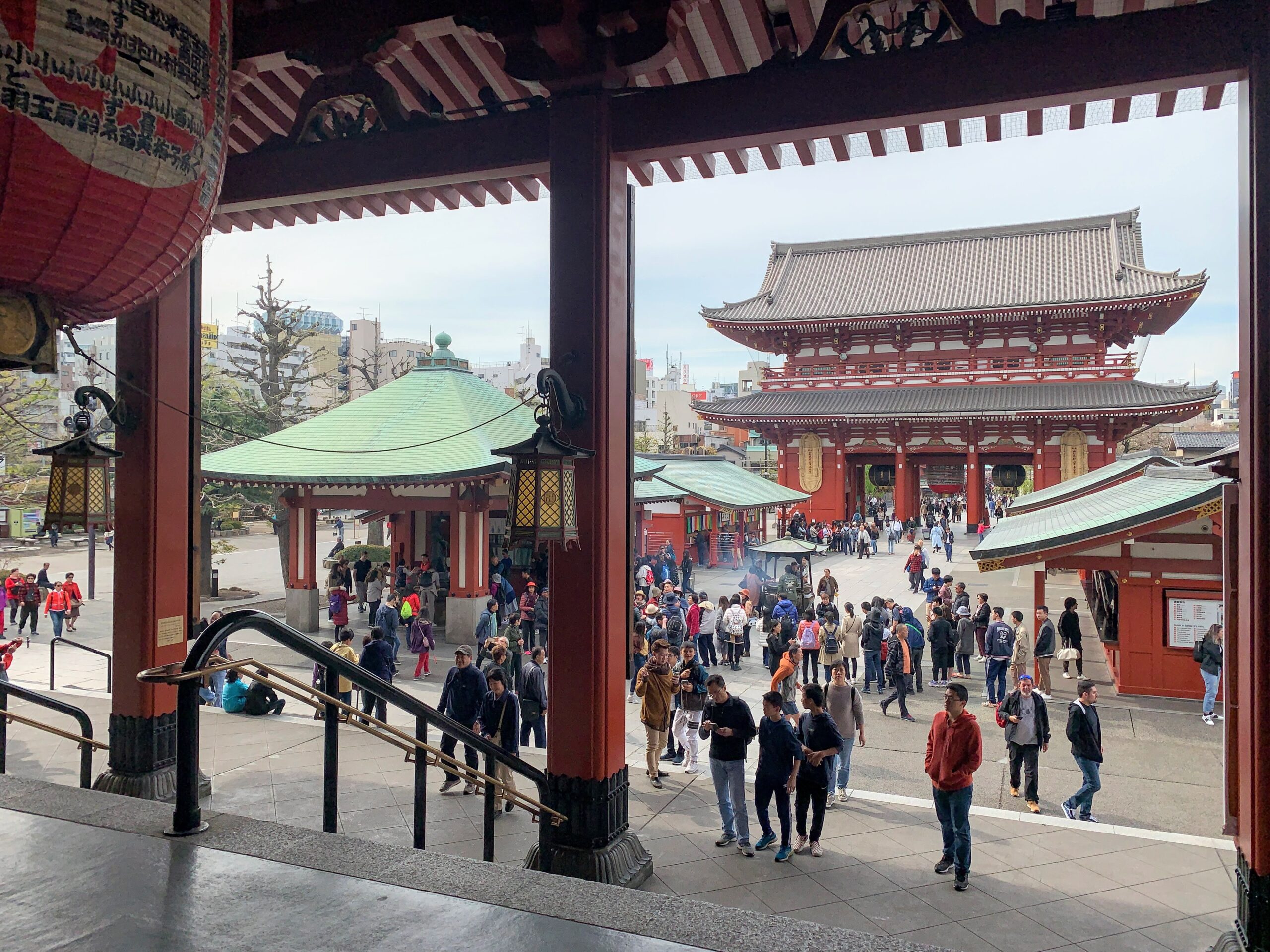
Standing 22 meters tall, this two-story gate serves as the dramatic entrance to the main temple complex. Two fierce Niō guardian kings stand watch here, their bulging muscles and fierce expressions warning evil spirits away. Look behind you after passing through – the gate’s rear displays enormous waraji (straw sandals) that symbolically represent the Buddha’s power to crush evil underfoot.
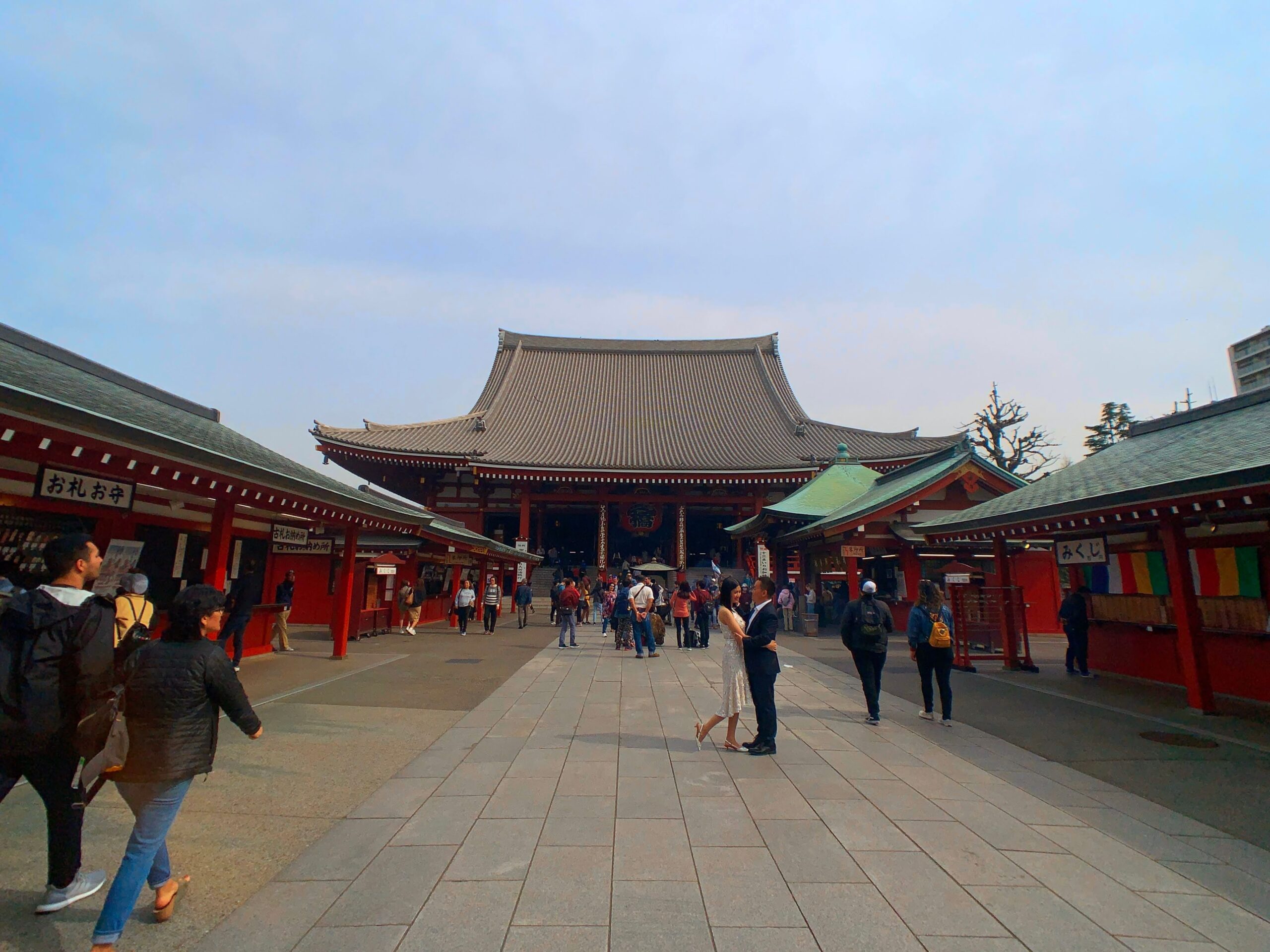
Main Hall (Kannondō) – 観音堂
The spiritual heart of Sensō-ji, this magnificent hall houses the hidden Kannon statue in its innermost sanctuary. The current building, completed in 1958, faithfully recreates the dramatic sloping rooflines of its Edo-period predecessor. Here, worshippers perform the ancient ritual of wafting incense smoke over themselves for purification before offering prayers. The hall’s acoustic properties amplify the sound of chanted sutras, creating an otherworldly atmosphere that has moved hearts for centuries.
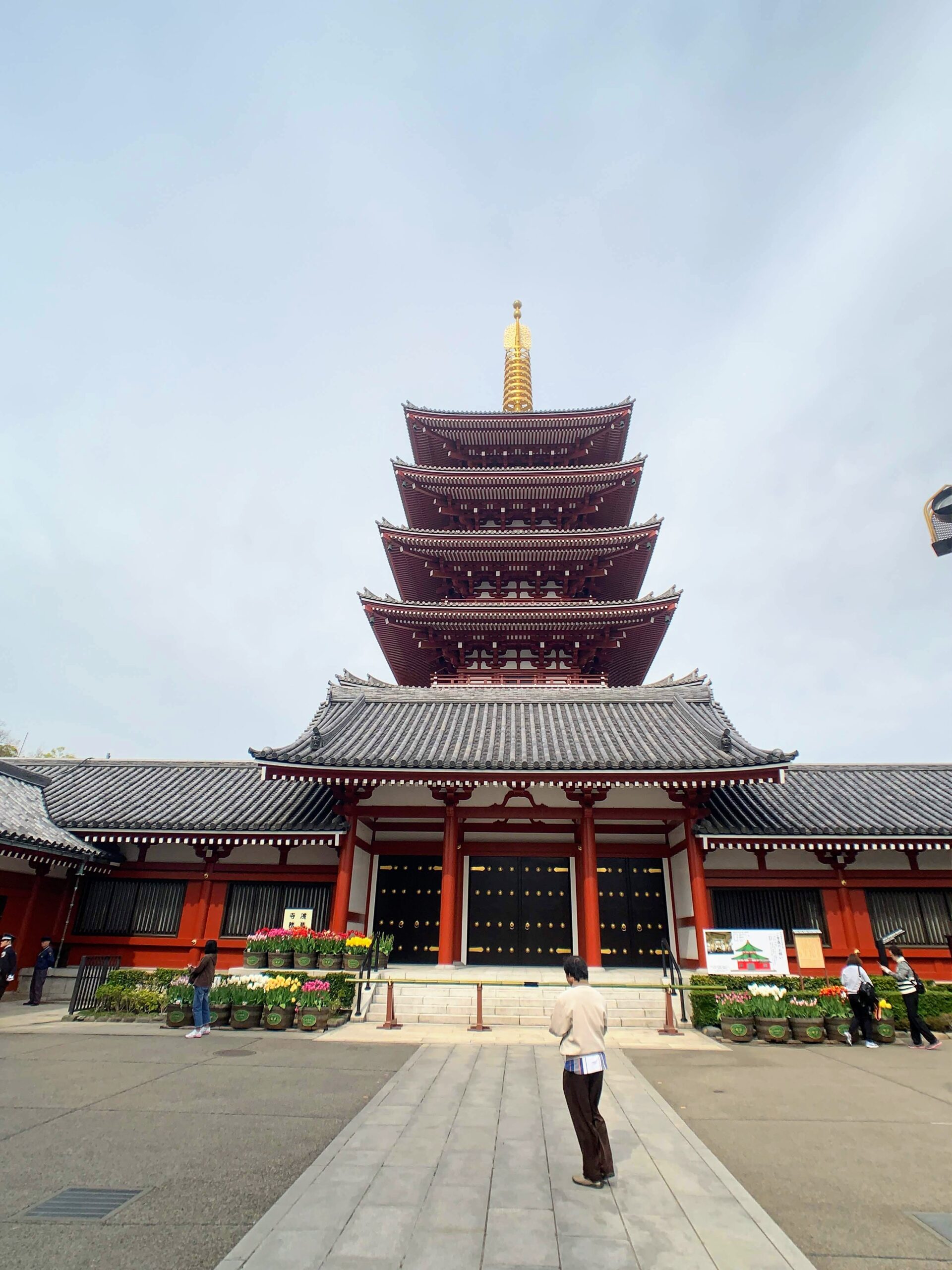
Five-Story Pagoda – 五重塔
Rising 48 meters into the Tokyo sky, this vermillion tower houses sacred relics including Buddha’s ashes gifted by Sri Lanka’s royal temple. Originally built in 942, the current pagoda was reconstructed in 1973 following its wartime destruction. Each of its five levels represents one of the five elements in Buddhist cosmology, creating a tangible connection between earth and heaven.
The Ritual of Prayer
Join the endless stream of worshippers in the time-honored ritual: toss coins into the offertory box, clap twice to call the attention of the kami, bow deeply, and chant “Namu Kanzeon Bosatsu” (I place my trust in Bodhisattva Kannon). Watch as grandmothers teach grandchildren these same gestures their ancestors performed centuries ago – you are witnessing an unbroken chain of faith stretching back nearly 1,400 years.
Hidden Treasures
Don’t miss the smaller halls scattered throughout the complex: Bentendō Hall with its statue of the music goddess Saraswati, whose bell once served as Asakusa’s timekeeper; Awashimadō Hall, which temporarily served as the Main Hall after the war; and the mysterious Yogodō Hall, where eight protective Buddha statues guard those born under different zodiac signs.
Sensō-ji stands as more than just Tokyo’s oldest temple – it represents the enduring spirit of Japan itself, where ancient faith and modern life dance together in perfect harmony. In the shadow of gleaming skyscrapers, this sacred space continues to offer what it has provided for nearly fourteen centuries: a moment of peace, a whispered prayer, and the timeless hope that somewhere beyond the chaos of daily life, compassion still listens and responds.