Hokkai Bon Odori
北海盆踊り
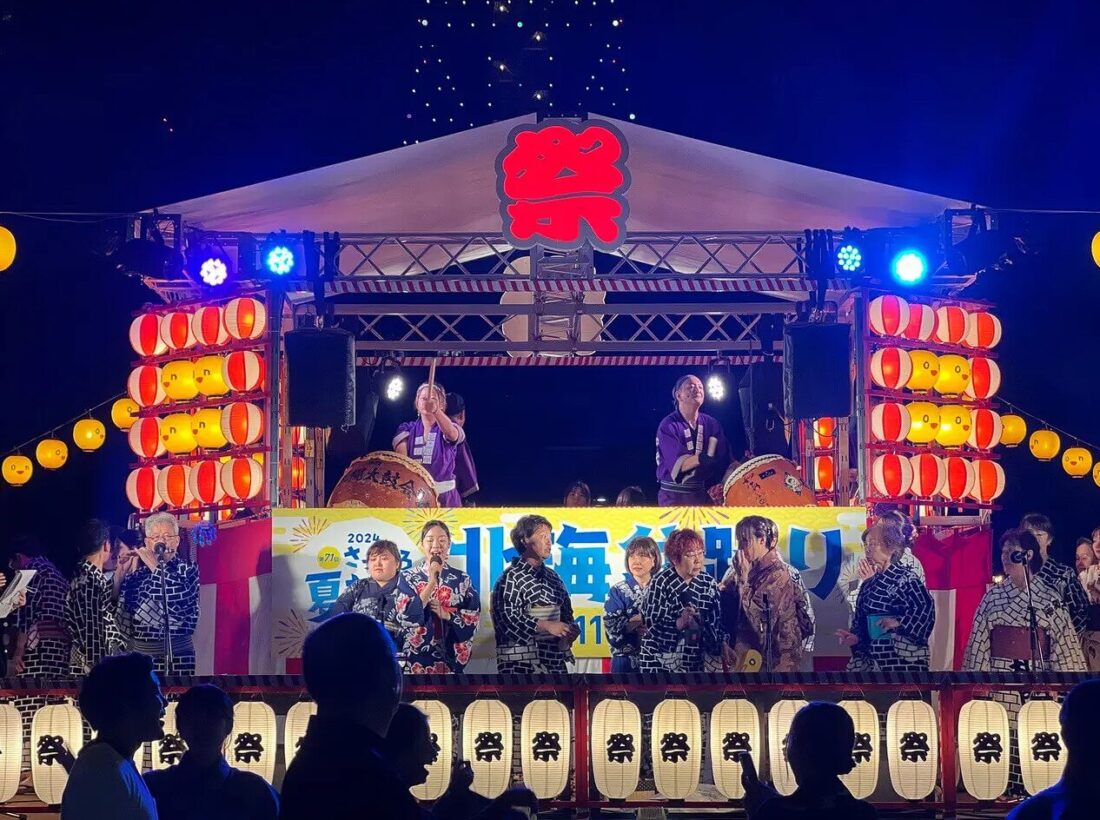
On a warm August evening, we made our way to Odori Park, where the rhythmic beat of taiko drums already echoed between the city’s towering buildings.
As we approached the festival grounds, a massive wooden tower called a yagura commanded the center of the park, surrounded by concentric circles of dancers moving in perfect harmony. The scene was mesmerizing: hundreds of people, from small children to elderly grandparents, all moving to the same ancient rhythm.
What is Hokkai Bon Odori?
Hokkai Bon Odori, Hokkaido Bon Odori, or simply the “Hokkai Bon Dance.”
Regardless of how you spell it in English, its true name is 北海盆踊り, and it represents one of Hokkaido’s most beloved summer traditions.
北海 – “Hokkai” refers to Hokkaido, Japan’s northernmost island.
盆 – “Bon” comes from the Buddhist festival of Obon, a time to welcome ancestral spirits back to the world of the living.
踊り – “Odori” means “dance.”
This is the season of Obon, the traditional festival that welcomes the spirits of the dead back to this world for a brief reunion with loved ones. Bon odori is a type of dancing held during Obon, and it is thought that the spirits of the dead dance along with the living. When it began in 1954, the main site was Nakajima Park and featured a boat festival, bon odori dancing, fireworks display, firefly hunting, and the Tanabata star festival. At the Hokkai Bon Odori, first held in 1954, visitors can join locals in a traditional dance circle that’s become increasingly international.
The Wooden Tower That Calls Spirits Home
The yagura stands at the heart of the festival — a wooden tower that serves as both stage and spiritual beacon. This impressive structure, usually about 6 meters high, is where the musicians and singers gather to guide the dancers through their ancient steps. Red and white lanterns adorned the tower’s edges, their gentle glow casting dancing shadows as the evening progressed.
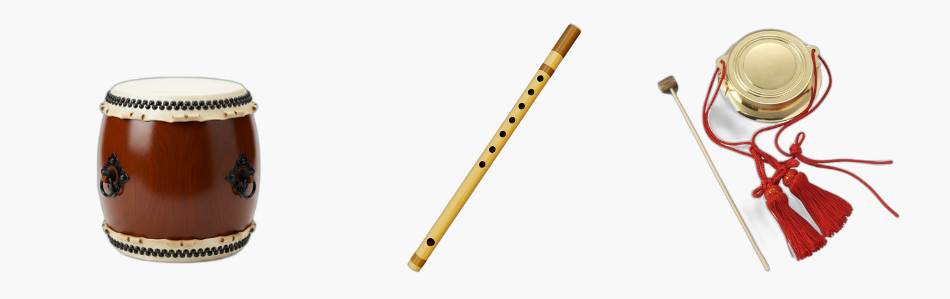
From atop the yagura, the haunting melody of traditional folk songs drifts over the crowd. Hokkaidō is known for the folk-song “Sōran Bushi”. The sound of taiko drums, fue, kane, and vocals creates a hypnotic atmosphere that seems to bridge the world of the living with the realm of ancestral spirits.
The Dance of Welcome
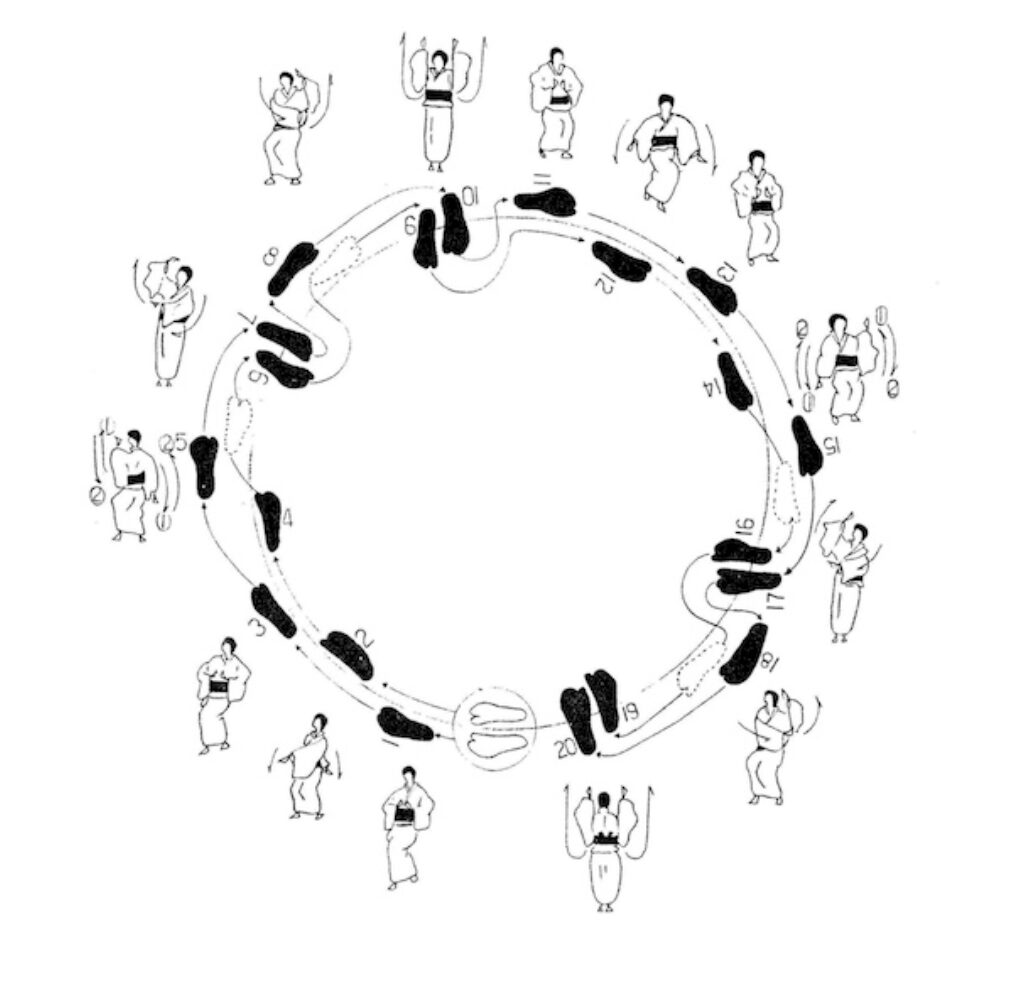
Dancing begins each evening at 6 p.m. with easy dances that kids will enjoy, and we quickly learned that participation wasn’t just encouraged — it was expected. The beauty of Bon Odori lies in its accessibility: Anyone can join the dance circle. Many of the steps and gestures are simple and are repeated many times, so it is possible to catch on quickly.
The dance moves tell stories through gentle hand gestures and shuffling feet. Some movements mimic the scooping of water, others represent the harvesting of rice, and many simply flow like waves welcoming spirits home. With simple choreography, anyone can easily participate. We found ourselves naturally falling into the rhythm, surrounded by smiling faces of all ages who patiently helped us learn the steps.
The dancers move in multiple concentric circles around the yagura, creating a mesmerizing spiral of motion. Inner circles typically move slower and are perfect for beginners and children, while outer circles host more experienced dancers performing complex variations. The entire scene resembles a living mandala, constantly shifting and flowing with the music.
Two Songs, One Spirit
There are two types: “Kodomo Bon Odori Uta” for children and “Hokkai Bon Uta” for adults. We discovered that each song has its own distinct character and movements:
Kodomo Bon Odori Uta (Children’s Bon Dance Song): Simple, playful movements that even the youngest dancers can master. The gestures are larger and more obvious, making them easy to follow and delightfully entertaining to watch.
Hokkai Bon Uta (Hokkai Bon Song): More sophisticated choreography that tells deeper stories through subtle hand positions and flowing movements. The adult dance requires more coordination but offers a profoundly meditative experience.
Both dances share the same underlying purpose: to create a joyful celebration that welcomes ancestral spirits and strengthens community bonds.
The Modern Tradition in Historic Setting
Odori Park spans about 1.5 km and covers 78,901 m². In 1957, Odori Park became the main venue of the festival, and the beer garden held there is now the centerpiece of the current festival. What makes Hokkai Bon Odori unique is its urban setting. Unlike rural festivals held in temple grounds, this celebration takes place in the heart of modern Sapporo, with skyscrapers providing a dramatic backdrop to ancient traditions.
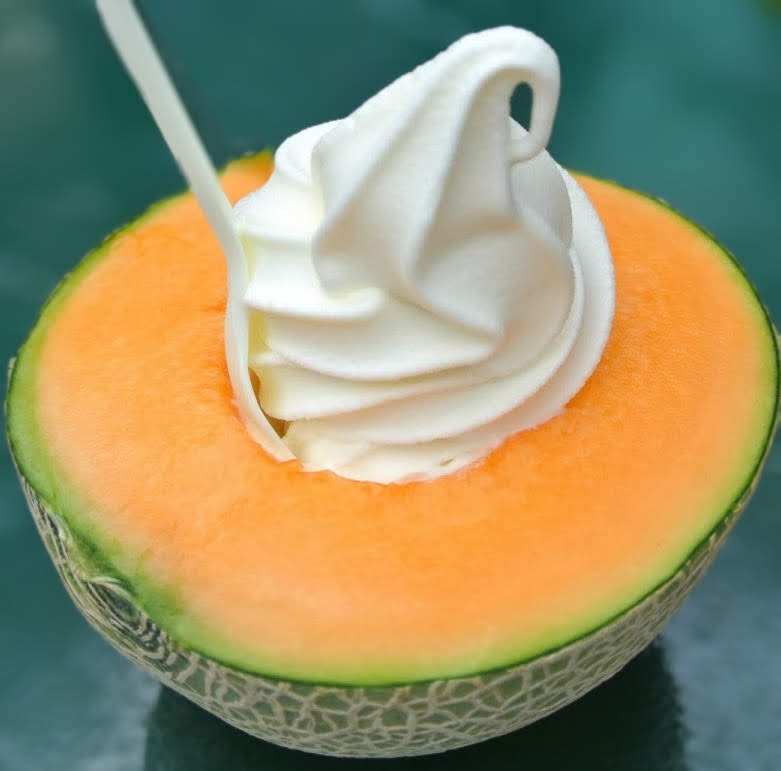
The festival grounds buzz with activity beyond the dancing. Food stalls line the park’s edges, offering everything from yakitori, shioyaki, to soft-serve ice cream. The famous Sapporo beer garden operates nearby, creating an interesting juxtaposition of sacred tradition and modern celebration.
A Festival of Inclusion
What struck us most about Hokkai Bon Odori was its inclusive nature. Unlike some festivals that feel like performances for tourists, this celebration genuinely welcomes everyone into its circle. We watched businesspeople in suits join the dance after work, tourists stumbling through steps with good humor, and multi-generational families dancing together with practiced ease.
The festival organizers actively encourage participation, with volunteers stationed around the circles to help newcomers learn the basic steps. Language barriers disappear in the shared rhythm, and cultural differences dissolve in the communal movement. visitors can join locals in a traditional dance circle that’s become increasingly international.
The Spiritual Heart of Summer
It is a time of family reunion, where the graves of ancestors are visited and cleaned. It also includes a celebration involving a Bon dance As the evening progressed and more dancers joined the circles, we began to understand the deeper meaning behind the movements. This wasn’t just entertainment — it was a form of prayer in motion, a way of honoring those who came before while celebrating life in the present.
The repetitive nature of the dance creates a meditative state, and after an hour of circling the yagura, we felt connected not just to our fellow dancers but to something much larger. Whether you believe in ancestral spirits or not, there’s something profoundly moving about participating in a ritual that has welcomed souls home for over 500 years.
A Summer Tradition Worth Joining
Hokkai Bon Odori offers something increasingly rare in our modern world: a chance to slow down, move together, and honor the past while celebrating the present. The festival typically runs for several evenings in mid-August as part of the larger Sapporo Summer Festival, giving visitors multiple opportunities to experience this magical tradition.
Whether you’re an experienced dancer or someone who’s never attempted a traditional Japanese dance, Hokkai Bon Odori welcomes you into its circle. Come prepared to move, to learn, and to be part of something beautiful that connects the bustling streets of modern Sapporo with the ancient rhythms of Japan’s spiritual heritage.
As we finally left the park that first night, the sound of drums still echoing in our ears, we knew we had experienced something special. Hokkai Bon Odori had taught us that some traditions transcend language, culture, and time — they simply require an open heart and the willingness to dance.
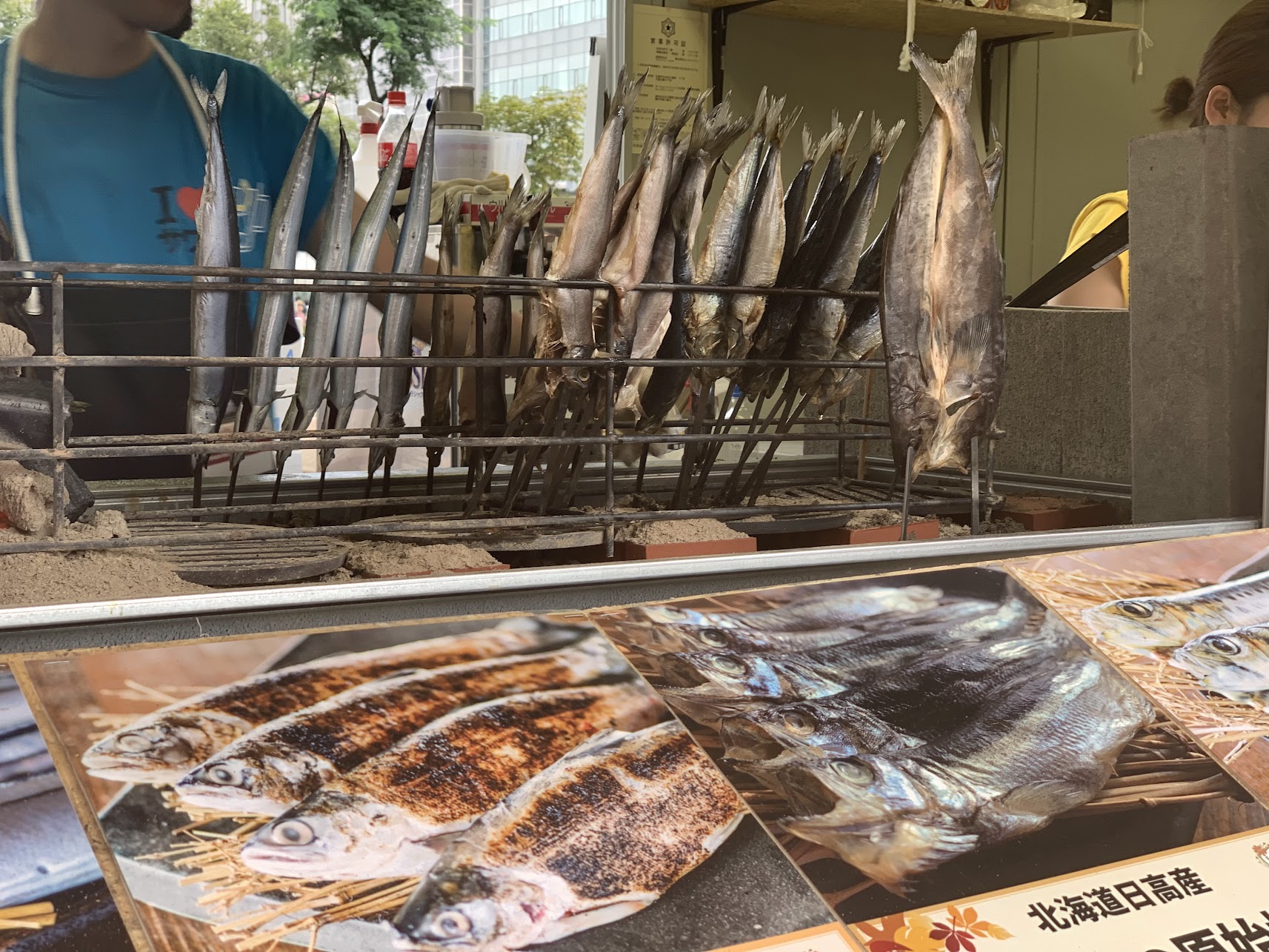
Grilled Mackerel (Saba Shioyaki) with no Skewers
Ingredients
- 2 fillets mackerel (saba) (10 oz, 280 g)
- 2 Tbsp sake
- ½ tsp Diamond Crystal kosher salt
Instructions
- Gather all the ingredients. Cut the mackerel fillets in half crosswise for presentation.
- Coat 2 fillets mackerel (saba) with 2 Tbsp sake.
- Pat dry with paper towels (and discard the sake) and transfer the fish to a baking sheet lined with parchment paper.
- Sprinkle both sides of the fish with ½ tsp Diamond Crystal kosher salt.
- Let it sit at room temperature for 20 minutes. During this time, preheat the toaster oven to 425ºF (218ºC) with a rack placed in the lower position. For a convection toaster oven, reduce the cooking temperature by 25ºF (15ºC).
- After 20 minutes, pat dry the excess moisture released from the fish.
- Place the fish skin side down on the parchment paper and bake for 15–20 minutes, or until the flesh is golden brown.