サッポロビール博物館
Sapporo Beer Museum
- Official Name: サッポロビール博物館 Sapporo Bīru Hakubutsukan
- Website: https://www.sapporobeer.jp/english/brewery/s_museum/
- Address: Kita 7-jo, Higashi 9-chome 1-1, Higashi-ku, Sapporo, Hokkaido, 065-0007, Japan
- Nearest Station: Higashi-Kuyakusho-Mae Station (Tōhō Line)
- Nearest Bus Stop: Sapporo Beer-en
- Bus Routes: Loop 88 Factory Line
- Entrance Fee: Free (Premium Tour: ¥1,000)
- Hours: 11:00-18:00 (Last admission 17:30)
I’ll admit it: I’m not a beer person. Tea is my drink of choice, usually black or green. But when I found myself in Sapporo on a summer morning, I figured I owed it to the city to visit its most famous export’s museum. After all, how often do you get to tour Japan’s only beer museum?
I’m happy to report that even this tea-preferring traveler thoroughly enjoyed the Sapporo Beer Museum. I expected a glorified advertisement with overpriced souvenirs and corporate propaganda. Instead, I found a fascinating glimpse into Hokkaido’s pioneering history housed in a stunning piece of Meiji-era architecture. The entrance fee was the low price of free for self-guided tours, or ¥1,000 ($9.50 USD) for the premium guided experience. Plus, arriving around 11:00 AM when the doors opened meant we practically had the place to ourselves, well at least for the first half hour before a tour bus unloaded.
Sapporo Beer Museum History
Although the museum only opened in 1987, the building itself dates back to 1890. This makes it well over 130 years old. But the story starts even earlier, with Hokkaido’s development during the Meiji period.
In 1876, the Kaitakushi government agency established the Kaitakushi Brewery in what is now the Sapporo Factory area. This was Japan’s first beer brewery, founded with the help of German brewing expertise. The timing wasn’t coincidental: Hokkaido’s cool climate mirrored Germany’s beer-producing regions, and the government hoped beer production would help develop the northern frontier.
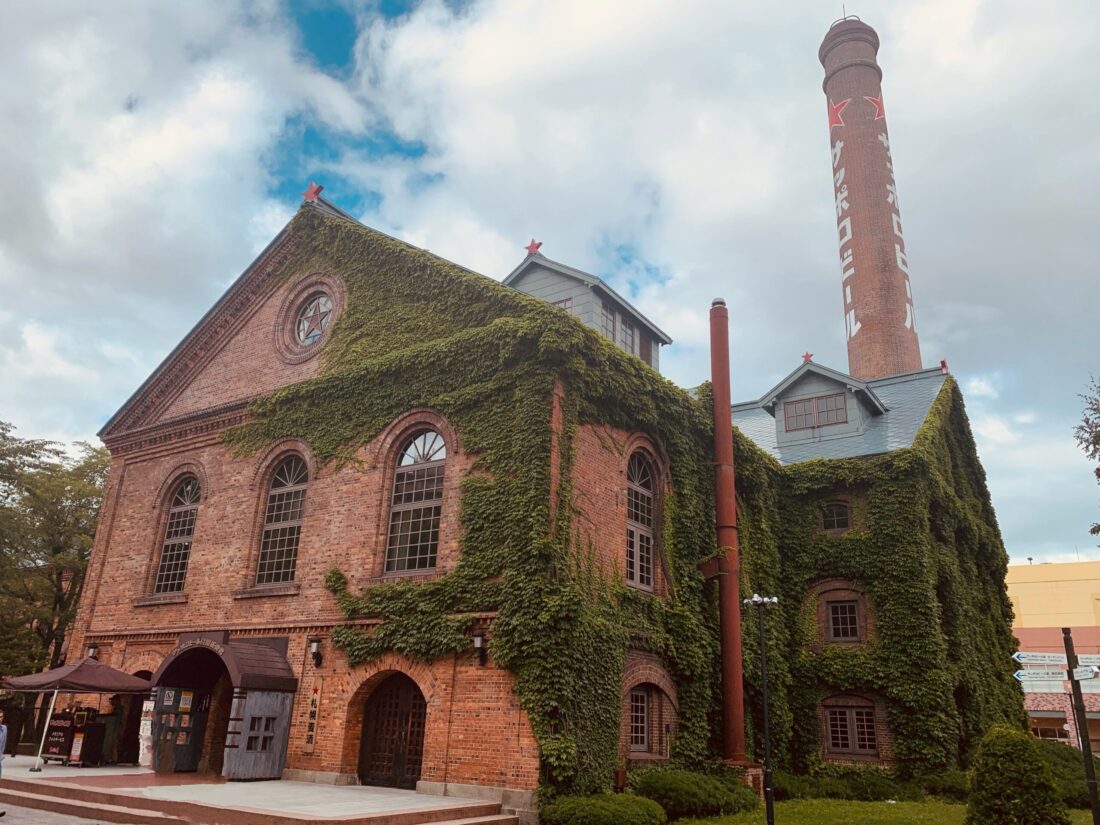
Interestingly, the museum’s red brick building started its life as a sugar factory. The Sapporo Sugar Company constructed it in 1890 with supervision from Hokkaido’s government and German engineers from Sangerhausen (a town in Saxony-Anhalt, central Germany). The building represents a fascinating moment when Japan was rapidly industrializing, bringing in foreign expertise to build Western-style factories.
When Japanese sugar manufacturing declined after the First Sino-Japanese War in 1895, Sapporo Beer Company purchased the defunct factory in 1903 and converted it into a brewery. It operated as a malt house until 1965, surviving wars, fires, and economic upheavals. In 1987, the building found its current purpose as a museum celebrating over 140 years of Japanese beer history.
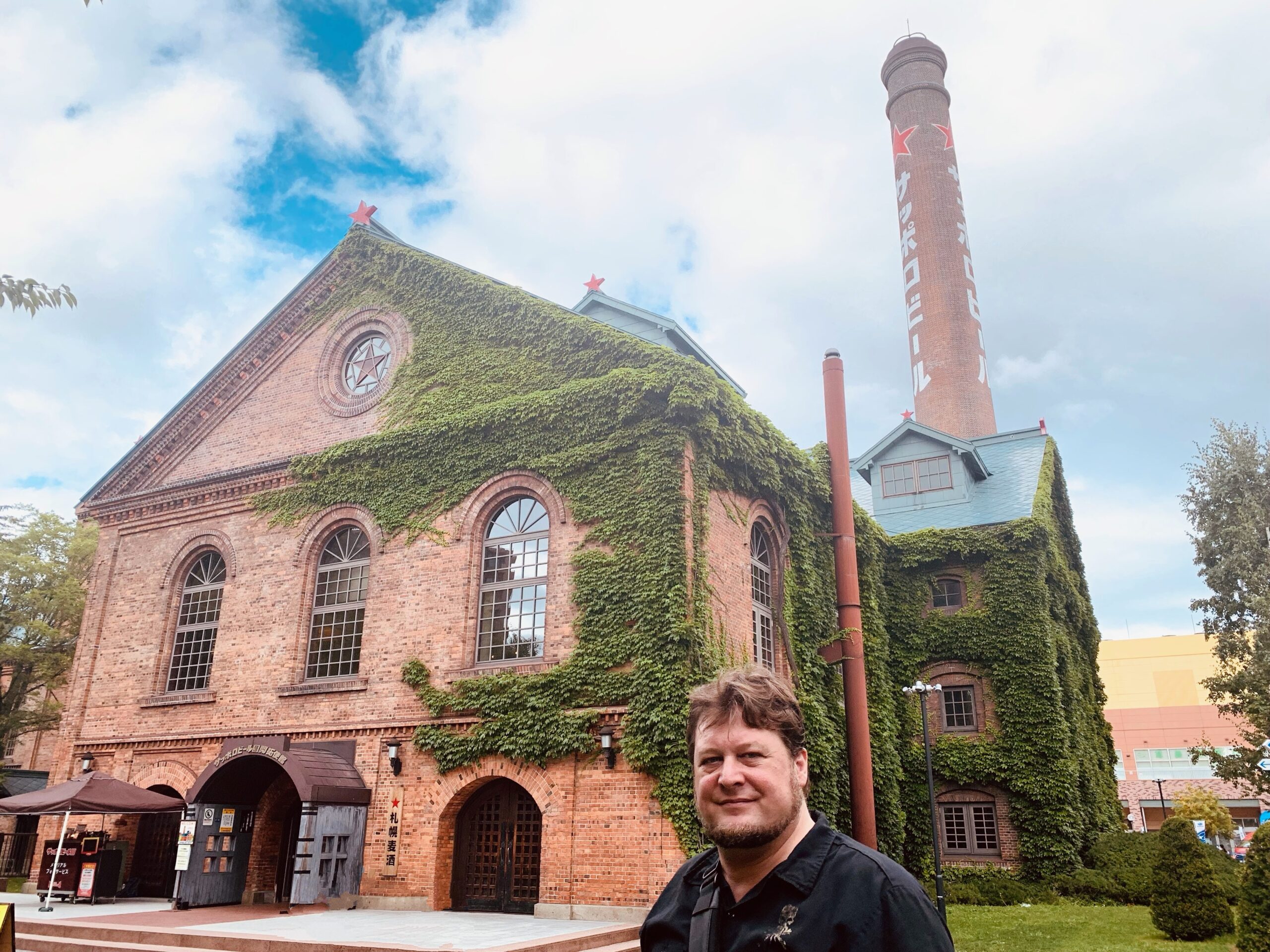
Today, the red brick structure is registered as a Hokkaido Heritage Site. The towering 48.5-meter chimney that rises above the complex has stood since the factory’s earliest days, a sentinel watching over Sapporo’s transformation from frontier outpost to modern metropolis.
How to Visit the Sapporo Beer Museum
Take the Subway and Walk – The museum is about a 10-minute walk south from Higashi-Kuyakusho-Mae Station on the Tōhō Line. It’s an easy, pleasant walk through a quiet neighborhood. You can also catch the Loop 88 Factory Line bus from Odori Station or near Sapporo Station (¥240 one way).
Skip the Premium Tour (Maybe) – Unless you’re fluent in Japanese, the ¥1,000 premium tour loses some of its value since it’s conducted entirely in Japanese. The self-guided tour is free and comes with English translation cards for all the exhibits. However, the premium tour does include tastings of two beers and access to the 6K theater presentation.
Winter (And Summer!) is Beer Weather – Sapporo is famous for its Snow Festival in early February, and the beer museum makes an excellent addition to festival activities. But I’ve been told that there’s something particularly satisfying about sampling cold beer in high summer outside historic red brick buildings. Plus, the adjacent Beer Garden serves hot plates of grilled lamb that taste even great in any weather.
Allow Two to Three Hours – If you’re planning to visit both the museum and have a meal at the Beer Garden next door, budget at least two to three hours. The museum itself takes about 45 minutes to an hour for a leisurely self-guided tour.
Highlights of Sapporo Beer Museum
The Red Brick Building – 赤レンガ – “Aka Renga”
Before you even step inside, take a moment to appreciate the architecture. The red brick facade evokes Tokyo Station or the Hokkaido Government Office. The distinctly Meiji-era blend of Western construction techniques and Japanese adaptability. Foreign engineers helped build this structure in 1890, and remarkably, it survived over 135 years of Hokkaido winters. The massive chimney dominates the skyline and has become an iconic photo spot. I personally found the building’s transformation fascinating: from sugar factory to malt house to museum, it adapted to serve each era’s needs while maintaining its structural integrity.
The Label Collection – ラベルコレクション
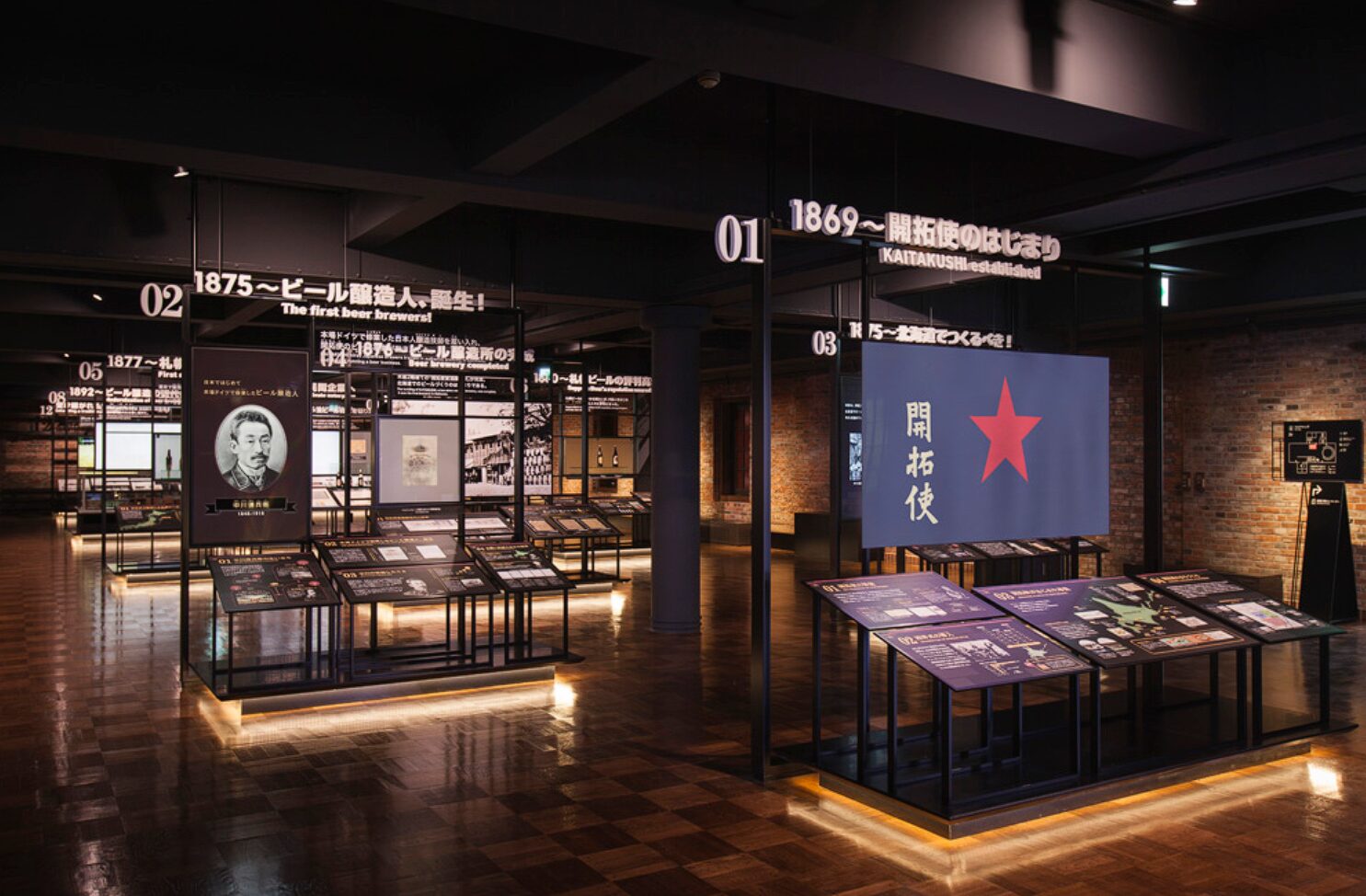
One of the museum’s most charming exhibits displays Sapporo beer labels spanning from the 1800s to today. Some designs are absolute gems you’ll likely never see elsewhere. I found myself lingering here, studying how design aesthetics shifted through the decades. The 1984-1985 “space style” draft beer can particularly caught my eye. I like that it perfectly captured that era’s optimism about the future. The 1972 Winter Olympics commemorative bottles are another highlight, massive glass vessels that dwarf today’s standard bottles.
The Vintage Posters – ビンテージポスター
The museum houses a wonderful collection of Sapporo advertisement posters dating back to the 1920s. These aren’t just beer ads; they’re windows into Japanese fashion, art, and culture across different decades. The evolution from traditional Japanese artistic styles to mid-century modernism to contemporary design tells a story beyond just beer marketing.
The Massive Beer Kettle – ビール釜
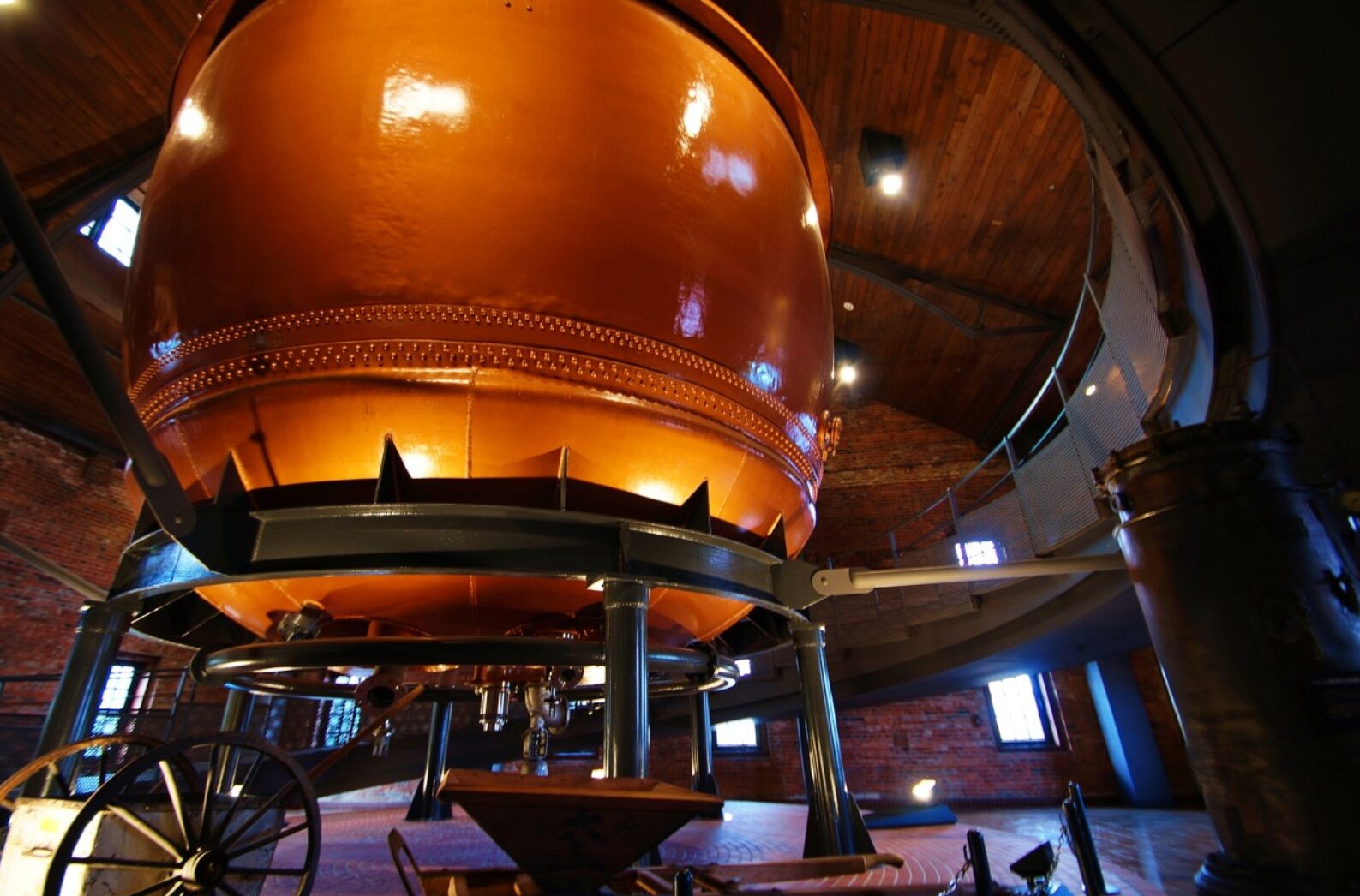
Resting in Kessel Hall, the giant copper beer boiling kettle seems frozen in time. This hulking piece of equipment was actually used in the brewery’s operations, and standing next to it gives you a sense of the industrial scale of early beer production. It’s an impressive artifact that Instagram photographers can’t resist.
The Red Star Symbol – 赤い星
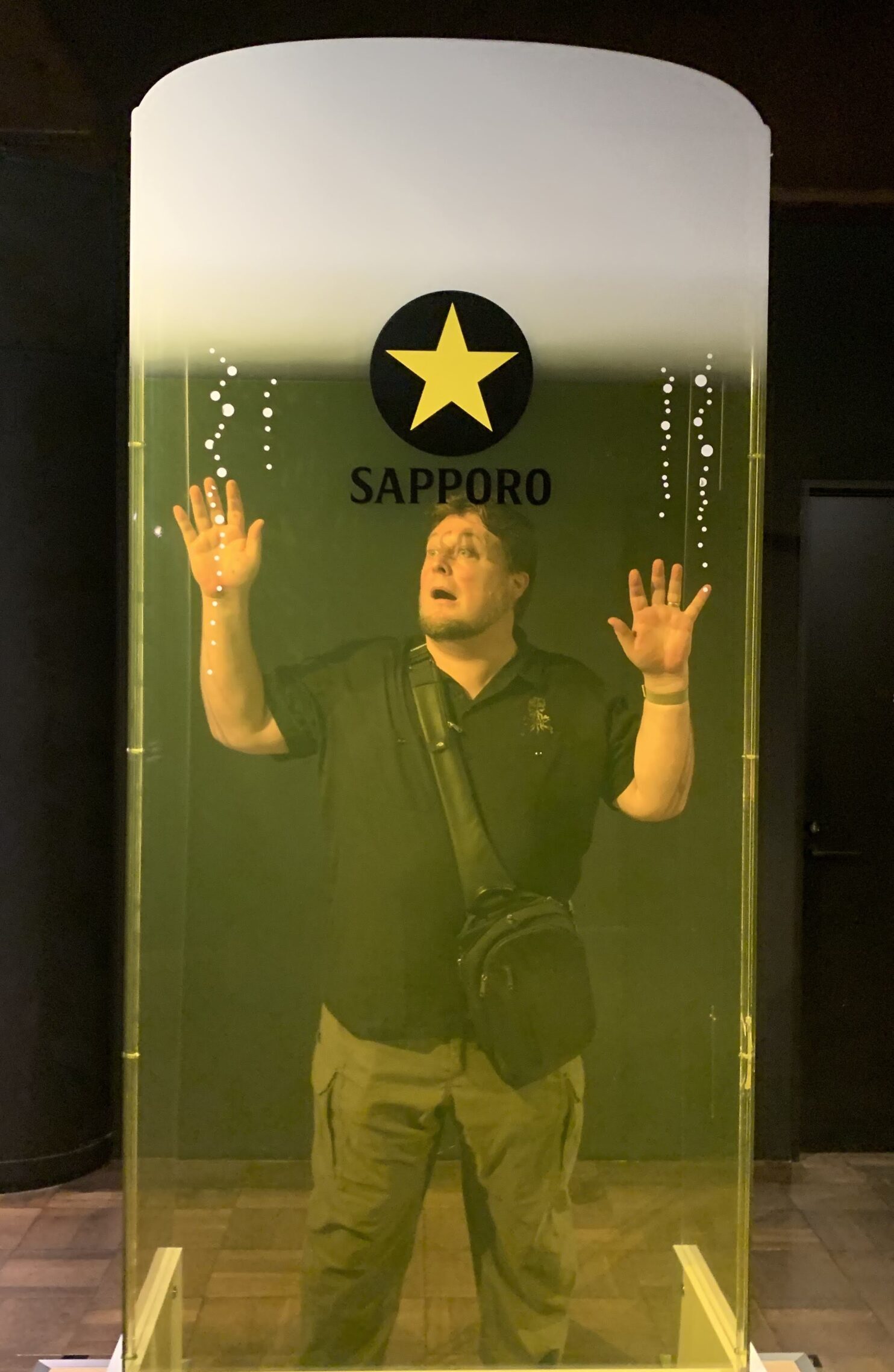
Throughout the museum, you’ll notice the five-pointed red star, which is the symbol of the Kaitakushi government agency that spearheaded Hokkaido’s development. Don’t worry, it’s not a communist symbol (though I’ve heard tourists make that mistake). This emblem appears on various historic Hokkaido landmarks and has become synonymous with the region’s pioneering heritage. You’ll also see it incorporated into the Sapporo Beer logo, connecting the brand to Hokkaido’s development history.
The Tasting Area – Star Hall
Even if you skip the premium tour, you can visit Star Hall for paid tastings. For ¥600, you can sample a flight of three beers including Sapporo Classic (only available in Hokkaido), the standard Black Label, and Kaitakushi-Beer, which is a recreation of the original 1877 recipe. The Kaitakushi-Beer is particularly worth trying, as it’s exclusive to the museum. As someone who typically prefers other beverages, I found the comparison tasting genuinely educational. The historical recipe had a noticeably different character from modern beers.
NOTE: The drinking age is 20-years-old in Japan. Foreigners caught drinking underage may face serious consequences, including fines, jail time, or deportation.
The Museum Shop – ミュージアムショップ
Located near the exit, the shop offers the usual array of branded merchandise, but also stocks bottles of the exclusive Kaitakushi-Beer and various Hokkaido-only brews. If you’re a collector or beer enthusiast, this is your chance to grab something you can’t find elsewhere in Japan. The shop stays open until 19:30, even after the museum closes.
More to See in Sapporo’s Higashi Ward
The Sapporo Beer Museum sits in a surprisingly quiet part of Higashi Ward, but it’s well worth combining your visit with other nearby attractions. The adjacent Sapporo Beer Garden offers all-you-can-eat-and-drink courses featuring Hokkaido’s famous Jingiskan (aka Genghis Khan, a grilled lamb or mutton dish). The atmosphere in the European-style beer hall, with its red brick walls and long wooden tables, transports you back to the pioneering era. Reservations are recommended, especially during winter festival season (call 0120-150-550 for English reservations).
Within walking distance, you’ll find Sapporo Factory, a large shopping complex built on the site of the original Kaitakushi Brewery. The complex’s centerpiece is a dramatic glass-domed atrium called the “Sculpture of the Earth” which presents different expressions depending on the season and time of day. The area has about 150 shops and restaurants.
For those interested in Hokkaido’s pioneering history, the Hokkaido Historical Village in nearby Atsubetsu Ward is an open-air museum featuring buildings from the Meiji to Showa periods. It’s about a 30-minute bus ride from the Beer Museum.
Despite my initial skepticism, the Sapporo Beer Museum won me over. The combination of genuine historical artifacts, stunning Meiji-era architecture, and thoughtful exhibits creates something more meaningful than just corporate marketing. Whether you’re a beer aficionado or simply curious about Hokkaido’s development, the museum offers an engaging few hours.